This project was a finalist in the European Responsible Housing Awards 2025 under the ‘More than a roof – supporting communities of equal opportunities’, organised by Housing Europe, the International Union of Tenants and DELPHIS.
Organisations: From Streets to Hume Association
Goals
From Streets to Homes Association (FSHA) is dedicated to implementing the Housing First model in Hungary, focusing on providing stable, permanent housing for people experiencing homelessness or housing poverty. The aim is not only to end homelessness but to create the conditions for individuals to rebuild autonomy, access public services, and integrate into their communities.
Core objectives include:
- Securing safe, affordable, and long-term housing as a basic human right.
- Providing holistic, tailored support services—before, during, and after move-in—to promote self-determination.
- Facilitating social reintegration through employment support, peer mentoring, and community engagement.
- Empowering individuals to become their own advocates and break systemic cycles of exclusion and discrimination.
This holistic and person-centered approach transforms housing into a platform for rebuilding lives with dignity and stability.
Context
Homelessness in Hungary is entrenched in structural challenges and regressive policies. Historically, the government has prioritised mass shelters, which offer only temporary relief and often lack dignity, privacy, and long-term solutions. Meanwhile, the criminalisation of homelessness was codified into the country’s Basic Law, further marginalising vulnerable individuals.
At the systemic level, little attention has been given to developing sustainable housing programmes. Discrimination, limited affordable housing, and economic insecurity continue to push marginalised groups—including refugees, Roma communities, and people with disabilities—into homelessness or unsafe housing conditions.
Against this backdrop, FSHA was founded to introduce a fundamentally different approach. Through the Housing First model, it shifts the focus from emergency response to lasting change: securing housing as a starting point for addressing other issues like unemployment, health instability, trauma, and isolation.
The organisation’s model reflects the understanding that stable housing is not an outcome, but the essential foundation for reintegration and long-term independence.
What is innovative about this project?
FSHA pioneered the Housing First model in Hungary, marking a departure from shelter-based services toward a permanent housing and rights-based framework. This shift redefined how homelessness is understood and addressed in the country.
Key innovations include:
- Community-based support: Programmes like the Give Work! Group, Peer Mentor Programme, and Women’s Club build supportive networks, increase resilience, and reduce social isolation.
- Client-led service design: Initiatives are co-developed with tenants based on lived experience, ensuring relevance, empowerment, and dignity.
- Holistic support: FSHA combines housing with legal, health, social, and employment services in one coordinated model.
- Peer support integration: Unlike other sectors in Hungary, peer mentorship in housing services remains rare—FSHA positions lived experience at the heart of support and service delivery.
- Inclusive, replicable model: This blueprint can be adapted in other national contexts, combining structural advocacy with grassroots empowerment.
The innovation lies not just in the services offered, but in the organisation’s underlying philosophy: seeing housing as the starting point for justice, not the end of care.
Interventions
FSHA’s programmes are built on an evolving toolkit designed for adaptability, empowerment, and long-term support:
Housing and Social Tools
- Housing First implementation in cooperation with municipalities and private landlords to secure social and vacant housing.
- Social Housing Agency mobilises privately owned units for affordable rental.
Employment and Economic Empowerment
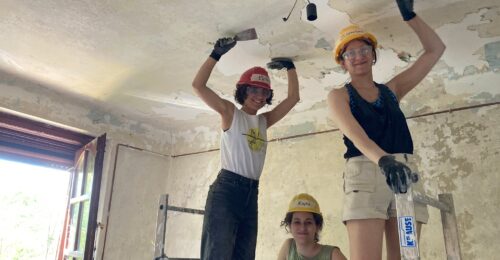
- Give Work! Group: Over 7 years, it supported 140 participants and facilitated 230 employment placements, combining job readiness workshops, external speakers, and mentoring.
- Continuous monitoring and session feedback help tailor the initiative to real-time client needs.
Peer Support Structures
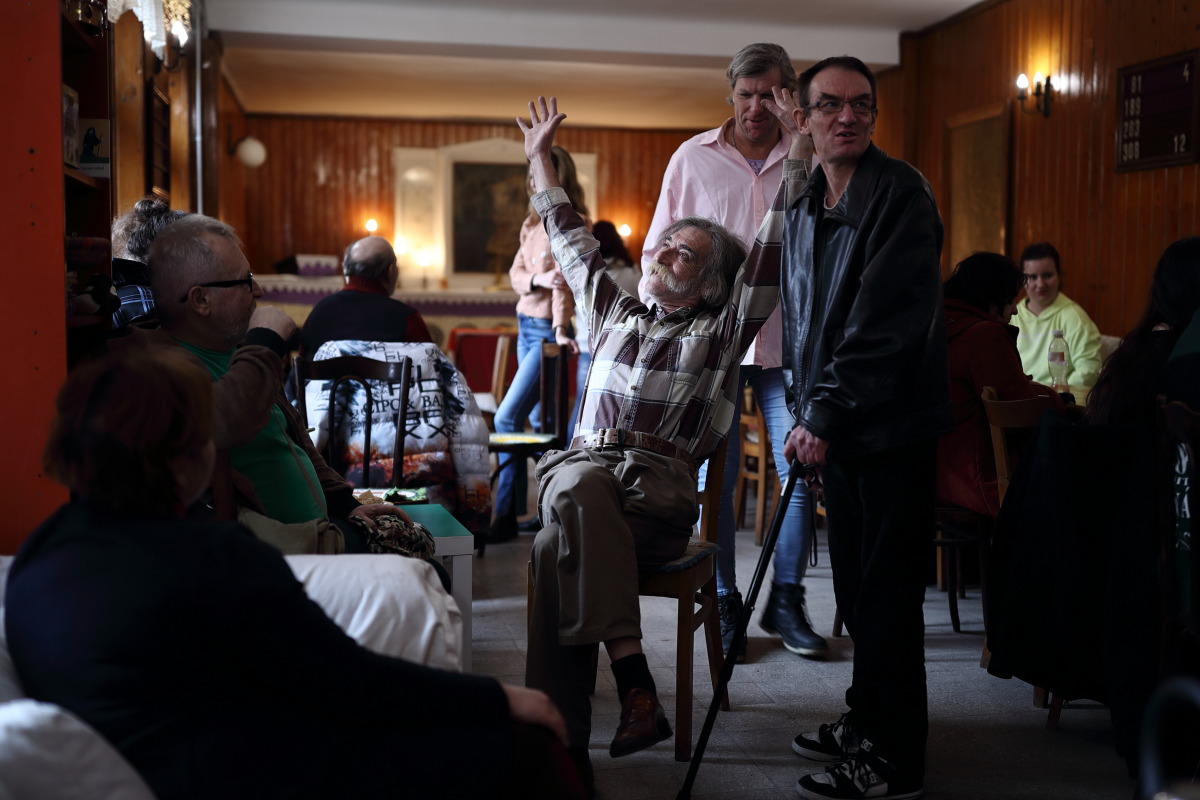
- Peer Mentor Programme: Developed with mentors’ active input on rules, boundaries, and competencies. It includes supervision, ongoing training, and strategic evaluation.
- 100+ peer sessions held, with mentoring for 23 clients, including Ukrainian refugees.
Women’s Support Spaces
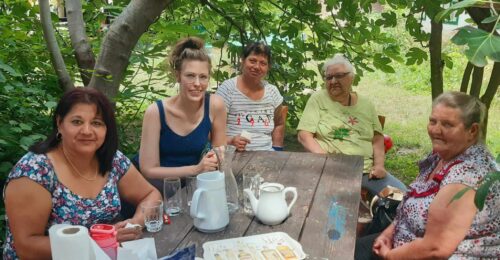
- Women’s Group and Women’s Club: Created through client interest surveys, they provide themed meetings every three weeks for emotional support, socialisation, and resilience-building. Activities include crafts, cooking, and shared discussion.
Programme Development and Knowledge Sharing
- Client co-design: Tenants directly shape service content, ensuring responsiveness and ownership.
- Staff capacity-building: Programme leaders share learnings with other stakeholders in Hungary’s housing sector.
This dynamic toolset reinforces FSHA’s commitment to rights-based, user-informed, and structurally transformative housing solutions.
Impact
- 130 tenants housed through the Housing First model by 2024.
- 300+ refugees from Ukraine supported since early 2022 in accessing safe, affordable housing.
- 95% housing retention rate, reflecting the success of FSHA’s long-term support and case management.
- 140 participants engaged through the Give Work! Group, with 230 job placements, reducing welfare reliance and promoting economic participation.
- 23 mentees and 100+ peer sessions run under the Peer Support Programme since 2022, facilitating integration and practical life guidance.
- Women’s initiatives reduce social isolation and trauma, especially for older and financially vulnerable women.
- Programmes designed based on client feedback, strengthening trust and relevance.
- Partnerships with municipalities and private landlords expand the availability of social housing.
Wider societal impact
- Promotes inclusive communities through empowerment, not dependency.
- Provides a replicable framework for holistic housing justice.
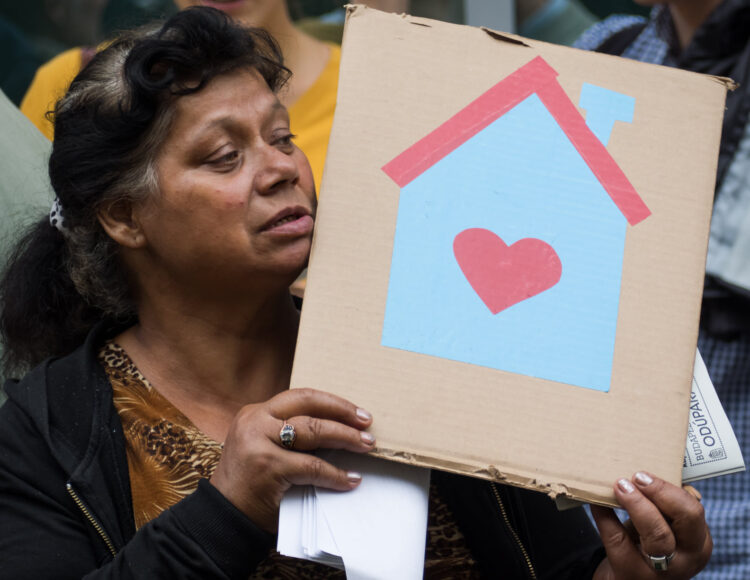
- Challenges punitive policies by positioning housing as a right, not a privilege.
Lessons learned
- First in Hungary to implement a comprehensive Housing First approach addressing systemic, social, and economic barriers.
- Stands out for its inclusive, gender-sensitive, and tenant-centred model, especially in a challenging national context.
- Peer mentorship and empowerment of marginalised groups, including refugees and minorities, are central to the project.
- Provides more than housing: builds dignity, long-term stability, and scalable, rights-based solutions beyond temporary shelters.