Tried & tested practices
Inspiring, realistic, scalable examples are what we need if we want to embrace a new housing paradigm, where homes can be affordable, green, and a space to live together as a community. The public, cooperative, and social housing sector is testing innovative approaches with new tech, society-driven policies, different funding streams, while engaging tenants and residents. Take a look.
Featured
Technologies and tech approaches
Sociale Energie Sprong, Belgium
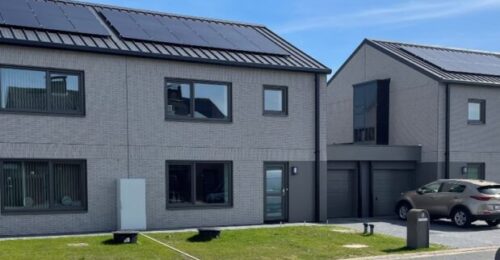
Sociale Energie Sprong is a renovation concept based on economies of scale to speed up the retrofit of social housing buildings, while maintaining the overall cost affordable.
Technologies and tech approaches
Mustamäe, Estonia
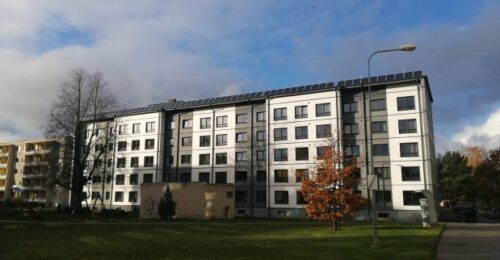
In the district, multi-ownership challenges were overcome through informative meetings and visits to best practices in the neighbourhood. The Tallinn University of Technology is developing different technologies to be used in renovations such as modular building and industrialised building systems, which have been tested on a pilot project in the district.
Technologies and tech approaches
Caserne de Reuilly, France
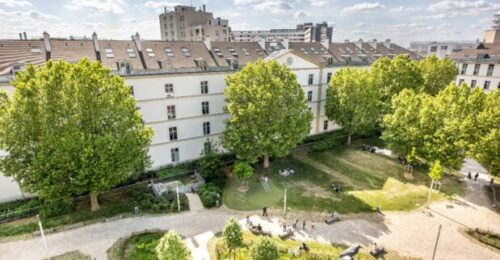
The Caserne de Reuilly is an urban regeneration project providing affordable housing in Paris’ city centre. It forms part of the City’s long-term vision of a sustainable city. Formerly owned by the Ministry of Defense, the Reuilly military barracks was transformed to increase the supply of social and affordable housing in Paris.
Technologies and tech approaches
Progetto Energheia, Italy
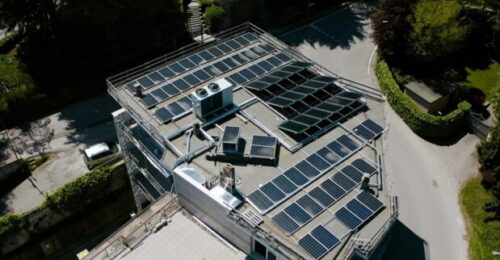
Propelled by beneficial fiscal conditions in Italy, Energheia is a model of self-consumption in residential buildings. Initially started with a small pilot in Pinerolo, the success has already enabled replication across Piedmont (Italy). The model includes energy efficiency measures (insulation of façades, substitution of windows, solar panels on the roof and the installation of a heat pump in the thermal room, etc.) and the creation of an energy community with the residents. The involvement of the inhabitants in the energy community is facilitated by gamifying their energy consumption and starting “competitions” where residents are encouraged to consume less than their neighbour.
Technologies and tech approaches
Innovation City Ruhr, Germany
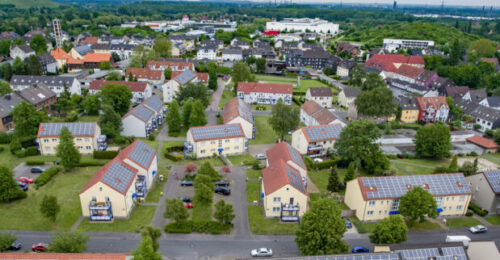
In its pilot phase, the project aggregated separate district-level projects scattered across the Bottrop municipality in Germany. An overarching masterplan was the mechanism of aggregation, which aimed to reduce CO2 emissions by 50% in 2030. A wide range of stakeholders took part in delivering the masterplan, including policymakers, citizens, and counted with the interest of innovative small and medium-sized enterprises (SMEs), such as Technoboxx GmbH from the metal processing industry and Emschergenossenschaft, which established the world’s first hybrid power plant from sewage treatment.

Technologies and tech approaches
De Flat Kleiburg, Netherlands
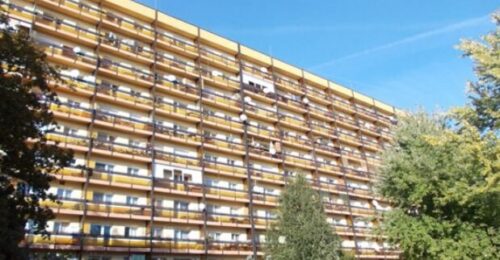
Kleiburg is the last original honeycomb style apartment block in Amsterdam. A cornerstone of the Bijlmermeer district, a modernist enclave that slowly became a derelict and deprived no-go area of the Dutch capital. Given the high investment costs that a deep renovation would entail, the building owner at the time – the Rochdale social housing association – was left with no alternative but demolition. Consortium DeFlat – a team of private developers – saw an opportunity to preserve the original building structure and architectural character and promote an alternative business model.
Technologies and tech approaches
Kaposvár, Hungary
A block of apartments suffered deep renovation works, including insulation of the façade, the installation of photovoltaic panels and the removal of asbestos. Smart energy meters were installed in each flat, so tenants could track and reduce their energy consumption. Social integration and cohesion through a dedicated accompanying scheme was also part of the project.
Technologies and tech approaches
Vivalla, Sweden
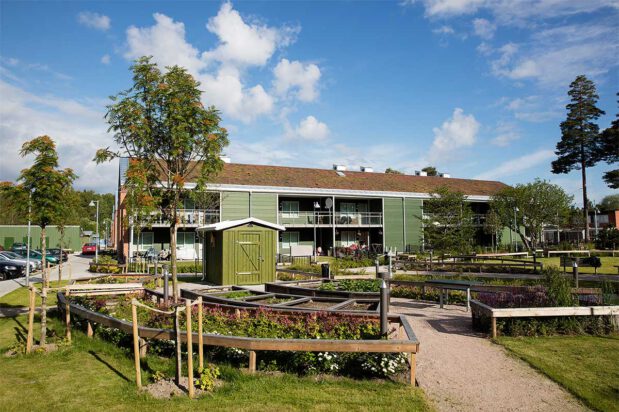
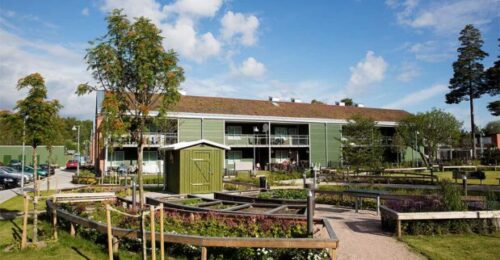
ÖrebroBostäder was the first public housing provider in Sweden to include as a condition in the procurement the obligation to hire jobless inhabitants as construction workers for a limited period. In addition, the planning of the intervention aimed at fostering social cohesion in the neighbourhood.
People and communities
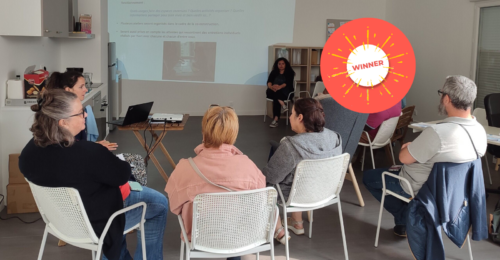
Health Housing: A New Generation of Social Housing for Well-being
A new generation of social housing that integrates health, well-being, and building design. By addressing environmental and social determinants of health, it improves residents’ quality of life. The project demonstrates how housing can actively contribute to healthier communities.
People and communities
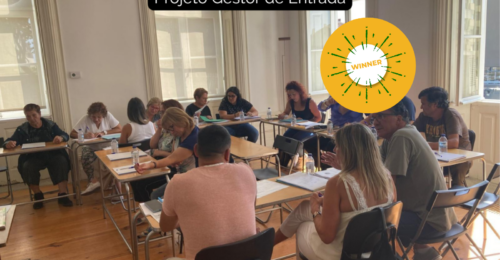
Gestor Entrada (Entry Manager)
An innovative housing access model that connects vacant homes with households in need through strong municipal coordination. By mobilising underused housing stock, it expands affordable housing supply without new construction. The initiative highlights the role of partnerships in addressing housing shortages.
Technologies and tech approaches
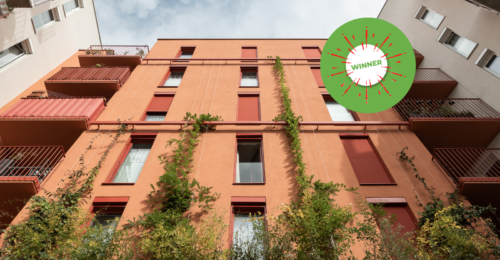
Wientalterrasse
A sustainable housing development in Vienna that combines high energy performance with affordability in a dense urban context. Through innovative design and renewable energy solutions, it reduces environmental impact while maintaining high living standards. The project illustrates how climate goals can be aligned with social housing provision.
People and communities
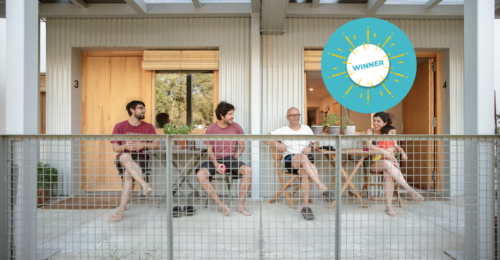
Sostre Cívic
A pioneering cooperative housing model that removes homes from speculation through collective ownership and long-term affordability. Developed in partnership with municipalities, it combines sustainable design, democratic governance, and strong community engagement. The model offers a scalable alternative to market-driven housing while empowering residents.
People and communities
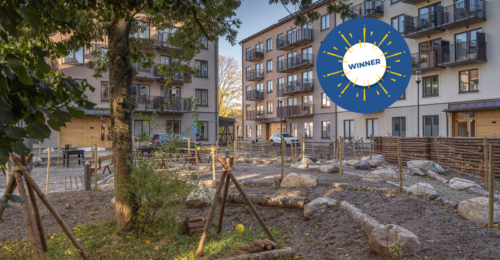
Stockholmshusen – a collaboration project to build thousands of rental apartments
A long-term initiative by the City of Stockholm to accelerate the delivery of affordable rental housing through streamlined planning and procurement. By enabling parallel processes and standardised design, the model cuts development time in half while reducing costs. It demonstrates how strong public coordination can deliver high-quality, climate-smart homes at scale.