This project was a finalist in the European Responsible Housing Awards 2025 under the ‘More than a roof – supporting communities of equal opportunities’, organised by Housing Europe, the International Union of Tenants and DELPHIS.
Organisation: Boligstiftelsen i Trondheim
Goals
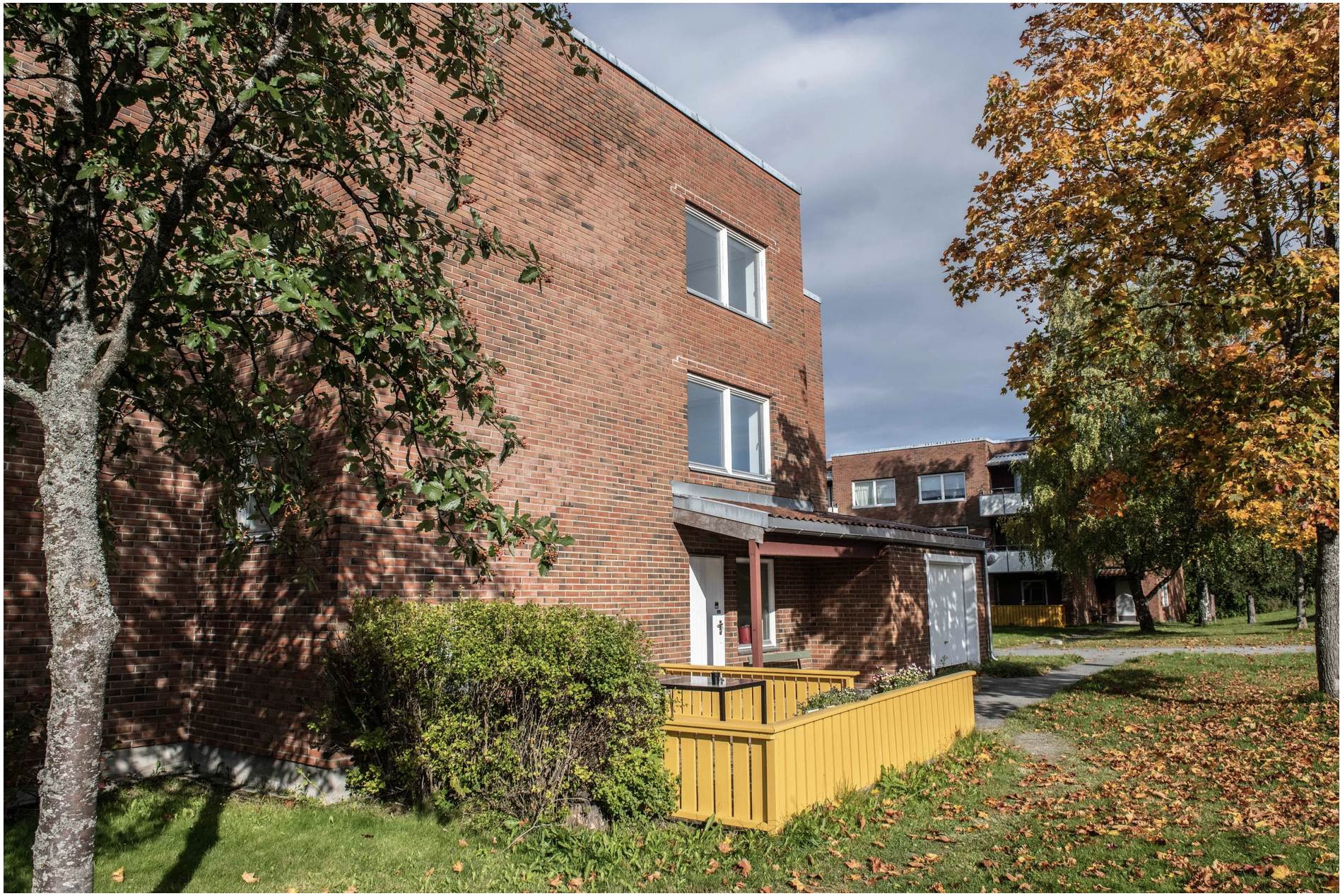
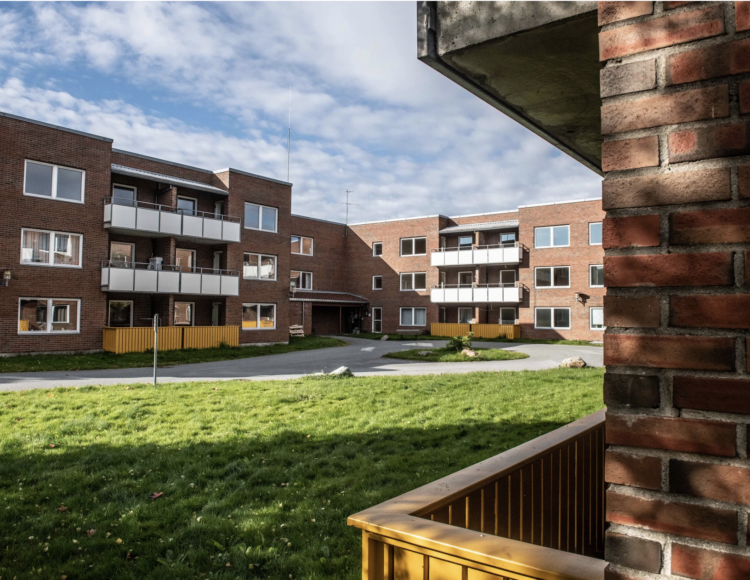
The Yrkesskolevegen project, led by the Trondheim Housing Foundation, offers nearly 100 affordable homes built on the principles of long-term stability, social inclusion, and resident empowerment. As a non-profit housing provider, the foundation offers significantly lower rents than comparable apartments in Trondheim and provides residents with indefinite rental contracts—an uncommon but powerful commitment to housing security.
The project’s primary goal is to transform housing from a service into a shared, participatory experience. Rather than passively providing shelter, the foundation invites residents—many of whom face long-term social or economic exclusion—to actively shape their environment. Through open governance, inclusive decision-making, and tailored communal amenities, the project fosters a strong sense of belonging and encourages personal growth. By combining stable tenancy with community engagement, Yrkesskolevegen is redefining what affordable housing can be: not just accessible, but empowering.
Context
When the Trondheim Housing Foundation took over Yrkesskolevegen from the municipality in November 2020, the building was in poor physical condition and lacked any sense of community. The structure had deteriorated significantly, with no meaningful maintenance in years. Residents were paying high rents despite substandard living conditions, and there were no communal areas to support interaction or cohesion.
The building had primarily housed individuals dealing with addiction and mental health issues, yet the absence of support systems or community-building measures led to an environment of isolation. The Covid-19 pandemic and the challenges of transitioning ownership delayed the project’s start until early 2022. At that point, the foundation committed to a complete transformation—both physically and socially—aimed at creating a home where residents could feel secure, connected, and valued.
What is innovative about this project?
Yrkesskolevegen introduces a deeply participatory, resident-centered model that challenges the norms of profit-driven urban rental housing. The project’s key innovation is its integration of long-term affordability with meaningful engagement and co-governance.
Indefinite tenancy contracts offer rare housing security, while resident participation is institutionalized through a dedicated resident council and four annual meetings between all tenants and the foundation. In December 2024, a resident-facing app was launched to facilitate community-building and real-time communication. This digital platform supports event coordination, interest group formation, and direct feedback to the foundation.
The renovation also emphasized social spaces. Two communal rooms—one for children and one for adults—were co-designed with tenants to encourage interaction and mutual care. An on-site gym, free for all residents, adds another layer of accessibility and wellbeing to daily life.
These interventions are not just amenities; they are tools for empowerment. Together, they demonstrate that housing can be both socially transformative and financially sustainable when driven by mission rather than profit.
Interventions
To implement this vision, the Trondheim Housing Foundation introduced a set of complementary physical, social, and digital tools designed to build community and improve daily life:
- Resident council: Provides a structured forum for tenant feedback and collaborative decision-making.
- Quarterly resident meetings: Ensure open communication and collective planning.
- Digital platform (launched Dec 2024): Enables residents to connect, organize activities, and voice concerns in real time.
- Co-designed communal rooms: Separate areas for children and adults offer space for play, conversation, and events.
- On-site gym: Accessible to all residents at no cost, supporting physical and mental health.
These tools form a replicable model for participatory housing that balances stability, inclusion, and autonomy.
Impact
- Nearly 100 homes delivered with indefinite rental contracts and significantly below-market rents.
- Hundreds of applications demonstrate high demand and community trust.
- High resident satisfaction with improved living standards, affordability, and community life.
- Resident participation rate continues to grow, supported by a council, meetings, and the new app.
- Revitalized building reputation, replacing former stigma with pride and connection.
- Improved neighborhood cohesion and reduced pressure on municipal social services.
- Physical upgrades, including communal areas and gym access, promote wellbeing and reduce isolation.
While balancing diverse resident needs and restoring a neglected building posed early challenges, the project has established a thriving, self-sustaining community. It stands as a proof of concept for inclusive, long-term affordable housing shaped by the people who live in it.
Lessons learned
- Exceptional resident engagement stands out: tenants co-design their community via councils and digital tools, ensuring their voices guide development.
- Successfully turned a decaying building into a thriving, participatory housing model with strong partnerships and dialogue between stakeholders.
- Challenges the for-profit housing norm in Norway, proving non-profit housing can be viable and community-driven with significantly lower rents.
- A unique and innovative model in the Norwegian context, especially given the pressures from the municipality to re-marketize the property, worthy of replication and protection.