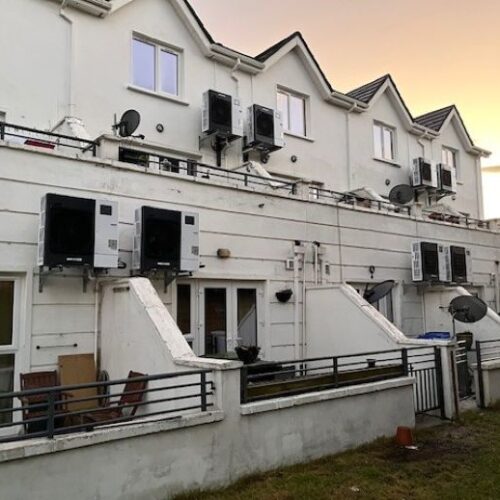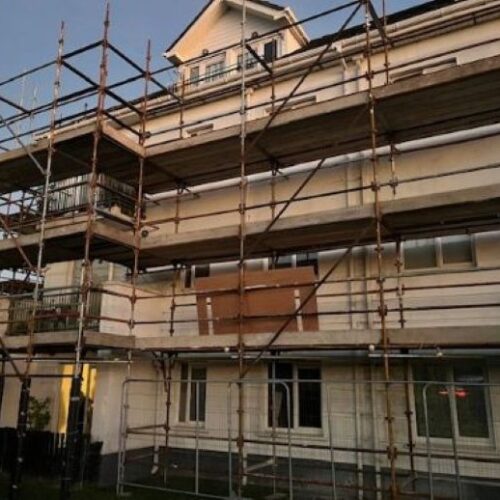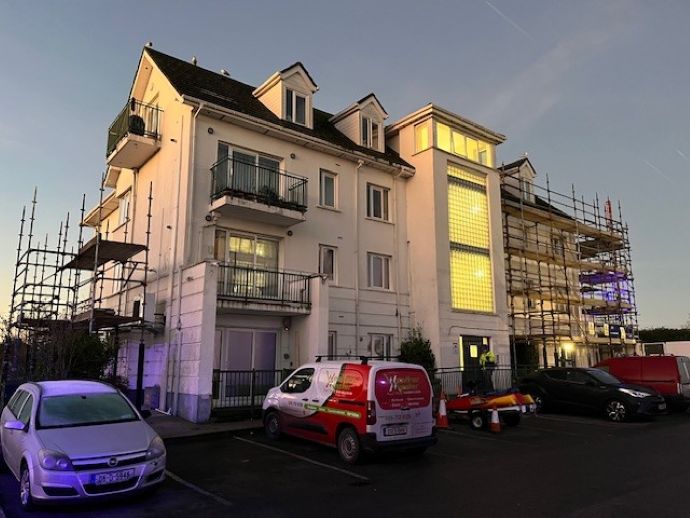
This project was a finalist in the European Responsible Housing Awards 2025 under the ‘Agents of fair energy transition’, organised by Housing Europe, the International Union of Tenants and DELPHIS.
Organisation: Co-operative Housing Ireland
Goals
The Warmth and Wellbeing programme was launched by CHI in 2022 to upgrade 216 of its poorest energy-performing homes to a Building Energy Rating (BER) of at least B2. The project aimed to enhance tenant comfort and well-being, cut operational carbon emissions, and reduce heating and utility costs, all while ensuring minimal disruption and no displacement for residents. Equally important was fostering resident engagement and understanding through personalised communication and peer-led support during the retrofit process.
Context
As Ireland’s largest co-operative housing provider, CHI has built or managed over 7,500 homes since its founding in 1973. While many of its newer acquisitions meet high energy standards, older stock lags behind—suffering from poor insulation, outdated heating, and high maintenance needs. Ireland’s national Climate Action Plan and the country’s poor EU ranking on residential energy performance added urgency to the need for deep retrofit. The Warmth and Wellbeing programme was CHI’s response: a tenant-first, fabric-first approach that aligned climate goals with social value.
What is innovative about this project?
A defining feature of the programme was the introduction of “energy champions”—residents who voluntarily acted as peer leaders. These individuals helped answer questions, reduce scepticism, and promote the proper use of new systems, building trust between CHI, contractors, and the community. This informal peer network became a key component of the project’s communication strategy.
On the technical side, homes received a comprehensive package of energy upgrades:
- Air-to-water heat pumps and high-output low-temperature radiators
- Solar thermal panels for water heating
- Mechanical ventilation systems to improve indoor air quality and airtightness
- New double or triple-glazed windows and insulated doors
- Attic insulation, pipework lagging, and draught-proofing
Importantly, works were carried out while residents remained in their homes, with support provided at each step to ensure proper understanding and use of new technologies.
Interventions
- A dedicated on-site project manager for day-to-day oversight and issue resolution
- Digital workflow tools such as BuilderTrend and SiteDocs, enabling paperless operations, real-time updates, and quality tracking
- Pre- and post-retrofit BER assessments to measure improvements
- One-to-one tenant inductions, live system demonstrations, printed guides, and follow-up visits
- Energy champion training sessions and staff workshops to build capacity
- Ongoing access to advice and troubleshooting from Kingdom Installations and contractors
These combined tools supported both technical delivery and a strong tenant engagement model, ensuring that residents felt empowered—not displaced—by the process.
Impact
- Retrofitted 216 homes to BER B2 or higher
- Achieved estimated 40% annual energy savings per household
- Delivered a 50% reduction in heating-related maintenance calls
- Significantly improved thermal comfort and air quality
- Implemented upgrades without relocating any residents
- Enabled tenant understanding through inductions, printed materials, and peer champions
- Strengthened CHI’s alignment with Ireland’s Climate Action Plan and EU energy targets
- Demonstrated replicability of tenant-led, fabric-first retrofitting in the social housing sector
Lessons learned
- The jury highlighted the project’s focus on tenant engagement, especially through the “energy champions” initiative, and its successful approach to improving energy efficiency in older social housing.
- The clear communication, minimal disruption during upgrades, and substantial energy savings were praised.