This project was a finalist in the European Responsible Housing Awards 2025 under the ‘Building strategic alliances, fostering community participation’, organised by Housing Europe, the International Union of Tenants and DELPHIS.
Organisation: Woonbedrijf
Goals
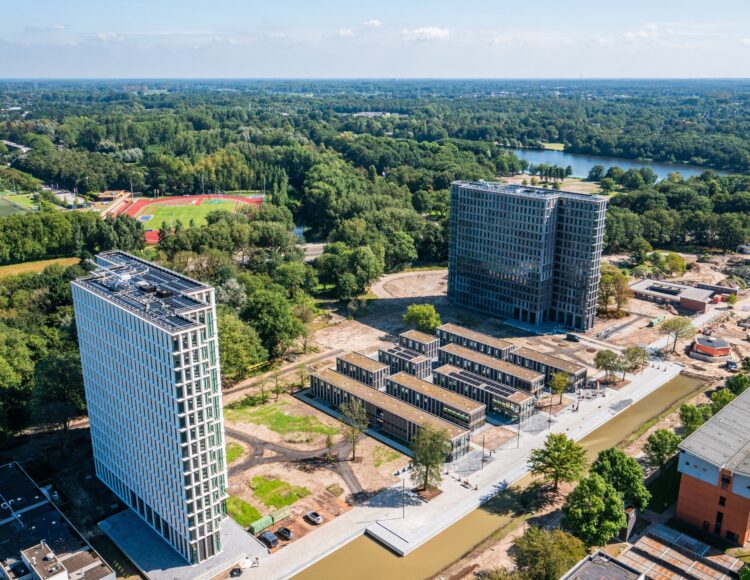
Haven was developed to provide affordable, community-driven housing solutions for over 800 students at Eindhoven University of Technology (TU/e). More than just addressing a housing shortage, Haven focuses on well-being, inclusion, and long-term social development.
Key goals include:
- Offering quality housing for Dutch and international students, with guaranteed affordability for 50 years.
- Preventing loneliness by fostering a supportive, socially vibrant student community.
- Building a “village” within a campus traditionally focused on research and education.
- Empowering students through participatory design and community-building practices.
- Serving as a model for inclusive urban development and integrated stakeholder collaboration.
- Demonstrating the power of diverse communities living and growing together, guided by the Asset-Based Community Development (ABCD) philosophy.
Context
Eindhoven, a growing tech and industrial hub, faces a critical shortage of student housing. In 2020, TU/e launched a tender to address this, emphasizing community as a core priority. Vestide/Woonbedrijf, in partnership with VenhoevenCS (architect) and Heijmans (construction), won the bid by proposing a socially conscious student village.
The Haven project was co-created with students across all phases, involving more than 100 activities, including meetings and co-design workshops. The guiding philosophy was Asset-Based Community Development—focusing on the talents and contributions of residents. Special attention was paid to combating loneliness, a growing issue among students in the Netherlands. An empathetic study involving 170 students from 31 nationalities helped shape housing allocation criteria, communal space concepts, and programmatic design. The project aims to attract and retain talent in the Brainport region by creating a nurturing, inclusive campus environment.
What is innovative about this project?
Haven integrates architectural, social, and digital innovations:
- Co-Design Model: Students contributed to every stage of development, resulting in 80 student ambassadors and 40 resident assistants.
- Social Architecture: Design choices intentionally increase social interaction—e.g., routing through communal spaces, kitchens with corridor-facing windows, bicycle storage away from elevators to encourage encounters, and themed rooms on every floor.
- Area of People App: A community-building platform allowing residents to organize events, share goods, and access services. 98% of students signed up within two months of launch.
- Strategic Alliances: Partnerships with TU/e, students, and social entrepreneurs created sustainable community cafés, thrift initiatives, and inclusive employment models (e.g., a restaurant staffed by formerly homeless individuals).
- Environmental Integration: Blue Ribbon water management system, thermal energy storage, 160 nesting boxes, and green rooftops contribute to biodiversity and reduce ecological impact.
Interventions
- Placemaking: Makerspace and greenhouse on-site during construction for community engagement.
- Empathy Research: Conducted by CoCosmos with 170 students to understand well-being and inform planning.
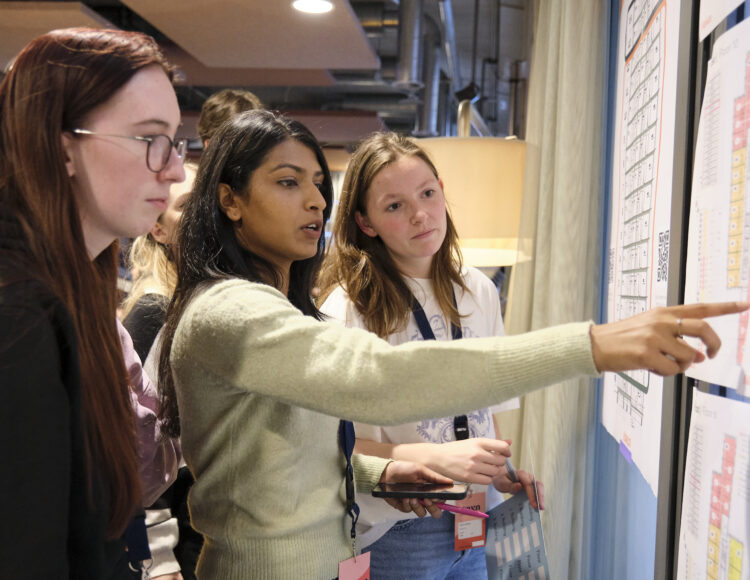
- Matching Events: In-person and virtual sessions to help students connect and choose housing; matching survey helped guide allocations.
- Community App: “Area of People” app facilitating resident interaction, service access, and shared resource use.
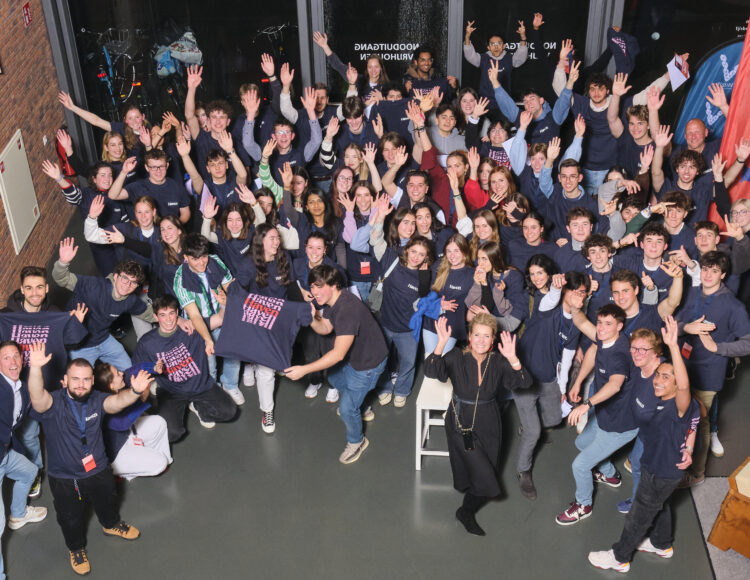
- Ambassadors and Assistants: 80 student ambassadors and 40 resident assistants acting as core community builders.
- Student-Led Design: Furnishing and programming of 21 themed common rooms (7 in Castor, 14 in Pollux), including a Game Area, Theatre, Atelier, Sports Room, and Jam Room.
- Communal Facilities: The Hangout, a central meeting space in Terra with a kitchen, AV facilities, and a living room managed by residents.
- Sustainability Measures: Rainwater retention via the Blue Ribbon, thermal energy storage, green roofs, 160 bird and bat nesting boxes, and pop-up thrift initiatives co-created with students.
Impact
- Housing Delivery: 735 housing units accommodating 800 students—366 group rooms, 285 studios, 84 apartments.
- Housing Affordability: Monthly rents from €289 to €649, with affordability secured for 50 years through agreements with TU/e.
- Student Continuity: Enabled 351 students to continue studies; rehoused 33 displaced international students; supported 14 new PhD researchers.
- Community Engagement: Over 100 co-creation events; 2500 responses to housing ads; 98% app participation.
- Social Cohesion: 80 ambassadors and 40 resident assistants led integration efforts; student-led events and communal dining foster strong connections.
- Sustainability Impact: Blue Ribbon system, rooftop biodiversity, shared resources, inclusive dining and café projects; re-use and sharing culture (e.g., appliances, thrift shop).
Haven has not only addressed the urgent need for student housing but has become a blueprint for socially inclusive, environmentally responsible, and community-driven urban development in the Netherlands and beyond.
Lessons learned
- Haven’s focus on community-building and student involvement sets it apart.
- Its use of shared spaces and a community app fosters connection and combats loneliness.
- The project effectively addresses the student housing crisis with a blend of affordability, smart design, and social cohesion, offering a replicable solution for other cities.