This project was a finalist in the European Responsible Housing Awards 2025 under the ‘Going the extra mile for safe and sound neighbourhoods’, organised by Housing Europe, the International Union of Tenants and DELPHIS.
Organisation: Gebalis
Goals
The Lotes ComVida programme strengthens the collective organisation and co-responsibility of residents living in Lisbon’s municipal housing buildings. Developed by GEBALIS, it aims to:
- Improve the shared management of common areas, creating stronger building-level coordination through resident-led committees, cleaning schedules, or formal condominiums
- Enhance residential satisfaction and the sense of ownership through active resident participation and collaborative action
- Reduce maintenance costs and vandalism by transforming neglected “nobody’s spaces” into places of shared care and coexistence
- Empower residents and staff with ongoing training, enabling sustainable leadership and community development
- Adapt responses to local needs, tailoring solutions to each building and its residents
At its heart, the programme promotes neighbourhoods that are more inclusive, resilient, and dignified for all.
Context
Lisbon has seen exponential growth in its municipal housing stock over recent decades. Since 1995, GEBALIS has managed this complex and expanding system of social rentals. However, many common spaces in municipal buildings became neglected, leading to dissatisfaction, isolation, and rising maintenance costs.
A 2015 survey showed a direct link between low residential satisfaction and poor collective organisation in buildings. While large-scale investments—such as the €142 million Morar Melhor rehabilitation programme—helped improve building exteriors, there remained a crucial need to address interior community dynamics.
It was in this context that Lotes ComVida was created in 2019: a programme focused not only on infrastructure, but on building relationships, responsibility, and resident-led governance inside municipal housing.
What is innovative about this project?
The programme introduces a collaborative, proximity-based model of building management, centred around active resident participation and tailored local engagement.
Key innovations include:
- Resident-led collective management: Buildings select the model that suits them—be it a committee, cleaning rotation, or formal condominium structure
- Mandatory action cycle:
- Diagnosis through door-to-door surveys, partner consultations, and assessments of social and physical conditions
- Implementation via planning meetings, election of lot managers, introduction of commitment letters, and collaborative cleaning schedules
- Monitoring and evaluation through biannual check-ins, “Ganha Pontos” incentive schemes, and performance tracking
- Community building through local activities:
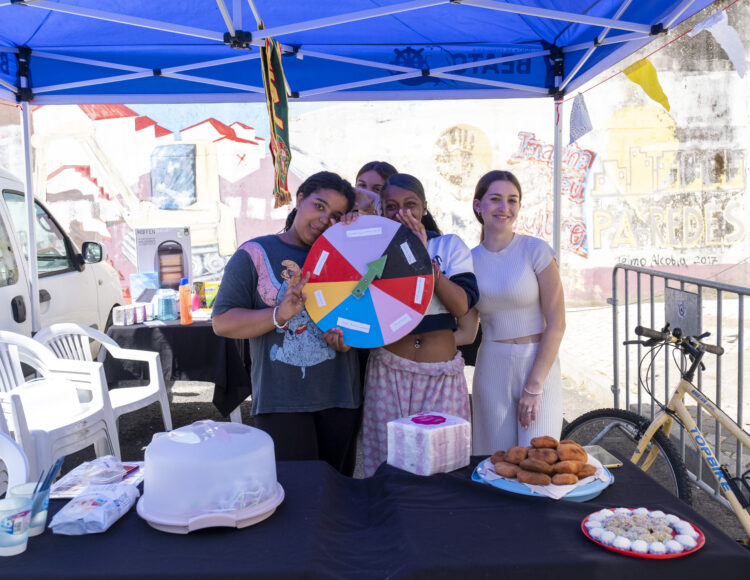
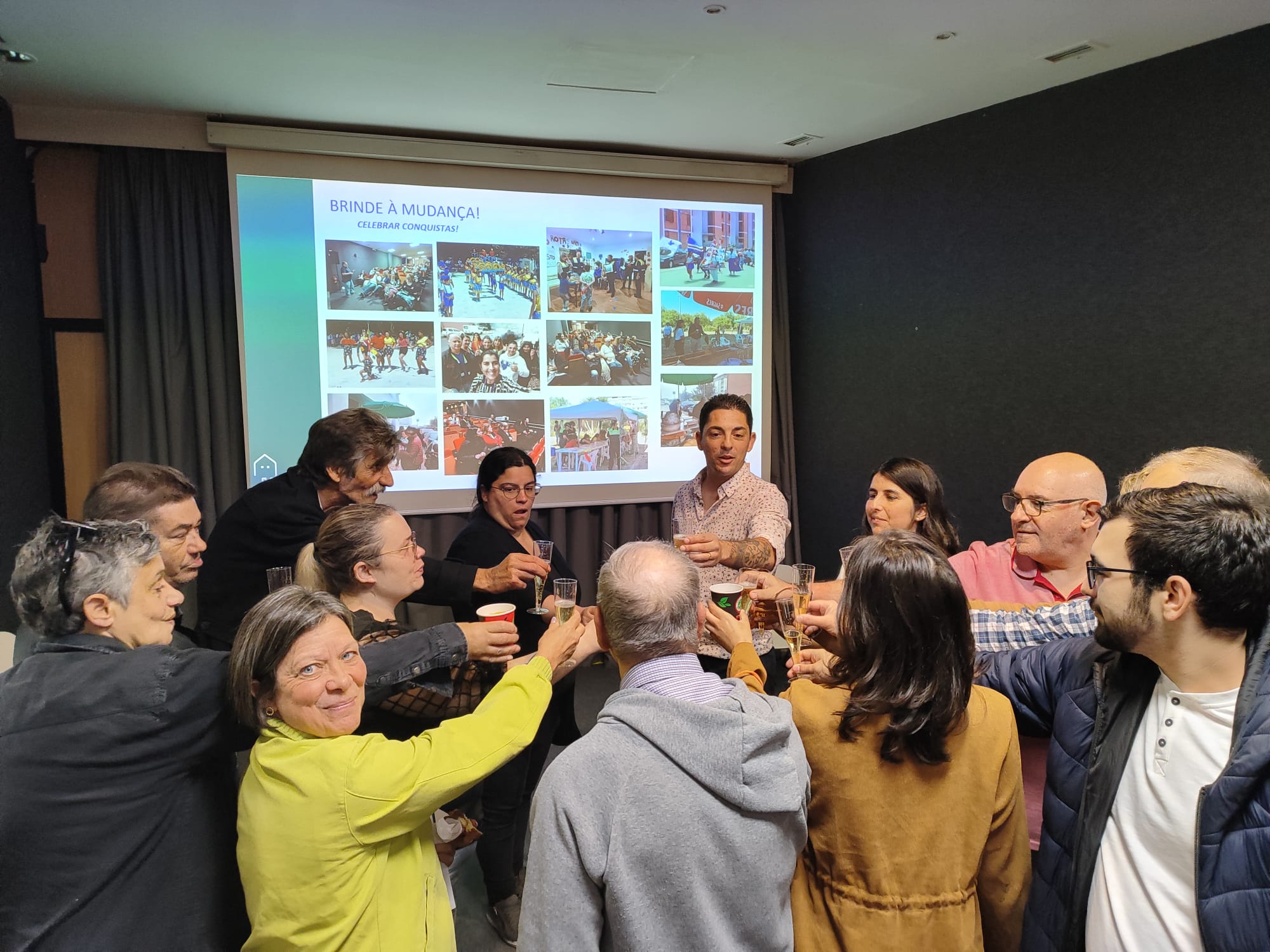
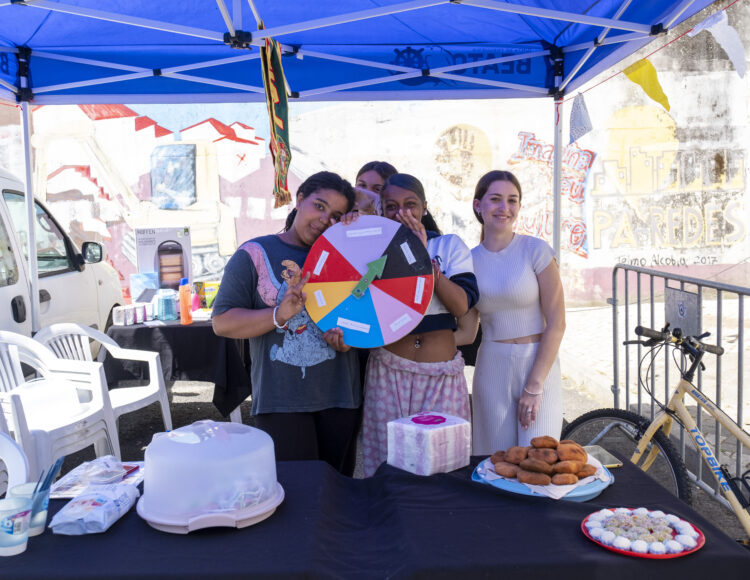
- Urban and community art, school-based awareness, inter-lot competitions, and public celebrations
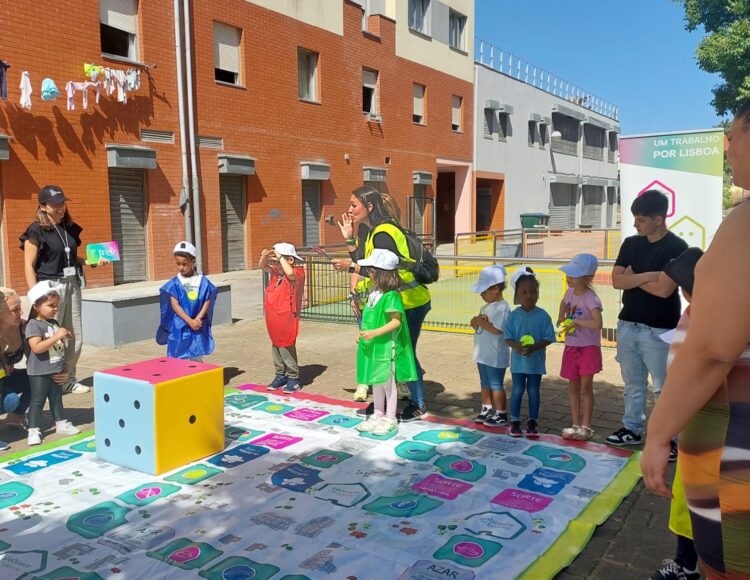
- Educational games like “My Neighbourhood, My City” and a Good Neighbour Guide co-created with children
- Digital and accessible communication:
- WhatsApp groups, Instagram updates, and frequent visual communication in buildings
- Staff training and consistency tools, such as intervention kits (e.g. Diagnostic Kit) to standardise approaches citywide
This integrated approach fosters genuine co-management, supported by strong institutional alignment between GEBALIS and its community partners.
Interventions
Several practical mechanisms underpin the success of the programme:
- Commitment Letters:
- Signed by residents and GEBALIS, outlining shared goals for maintenance, organisation, and funding caps for common expenses
- Diagnostic and Evaluation Tools:
- Standardised instruments for assessing both the physical building and social dynamics
- Biannual evaluation and tracking of building progress
- Training Programmes:
- For residents (intergenerational) and GEBALIS staff, building shared knowledge on community management
- Community Events and Micro-interventions:
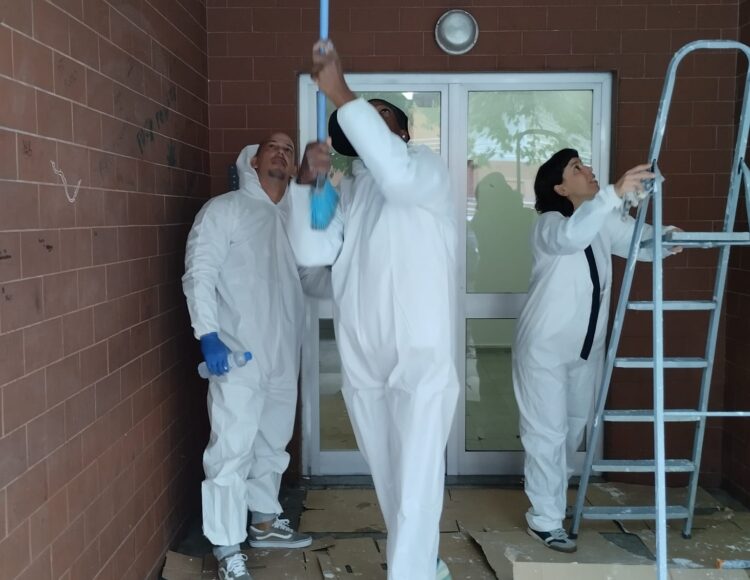
- Creative campaigns to foster belonging and behavioural change, including cleaning drives, exhibitions, and neighbour celebrations
- Communication Channels:
- Digital platforms and printed materials used for mobilisation and visibility
- Incentive Systems:
- “Ganha Pontos” point card system used to reward collective achievement and encourage healthy competition among buildings
- Sustainability Check-ins:
- Follow-up with lots that exit the active programme phase, maintaining relationships and ensuring continuity
Impact
- 291 buildings and 4,643 families reached across 25 neighbourhoods, directly involving over 12,500 residents
- 100% of participating buildings now have a collective organisational structure suited to their needs
- 81% show significant improvement in the appropriation and care of shared spaces
- 50% reduction in bulky waste abandonment, notably through the “Monkey Hunt” campaign
- Resident satisfaction with GEBALIS increased from 44% to 75%
- Substantial cost savings in maintenance and vandalism repair
Additional benefits by stakeholder group:
- Residents: Enhanced quality of life, stronger community ties, increased confidence and leadership capacity
- GEBALIS: Improved operational efficiency, stronger local presence, and a more responsive organisational image
- Local partners: Deeper engagement, cross-sector collaboration, and impactful grassroots work
- Society at large: Contributes to SDG 11 (Sustainable Cities and Communities); recognised with the Social Responsibility Seal for Sustainable Communities
Lessons learned
- The jury appreciated the program’s powerful yet simple approach: mobilising residents through peer learning, hands-on workshops, and structured collaboration.
- It’s inclusive, replicable, and genuinely transformative.
- The results improved upkeep, less waste, and greater satisfaction, clearly showing that this model works.
- A smart, scalable idea other cities should adopt.