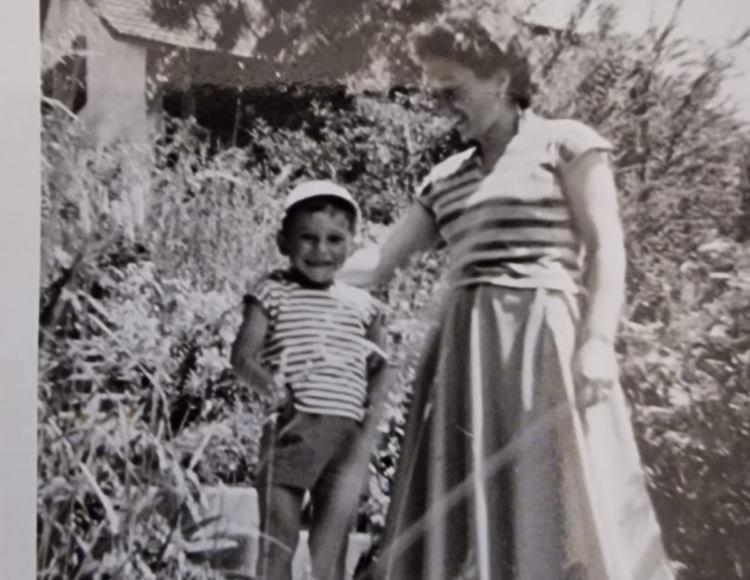
On World Children’s Day, we often talk about giving every child a fair start in life. A few things shape a child’s future more profoundly than the place they call home.
Housing Europe’s President, Marco Corradi, knows this first-hand. Raised in social housing while his parents worked abroad to secure a better future, he experienced poverty, migration, overcrowding and community life from a child’s perspective. Those experiences never left him. They inspired a lifelong commitment to public and social housing, neighbourhood regeneration and social inclusion.
This is the story of how a childhood shaped a housing leader.
My story reflects many of the stages of what sustainable, quality housing means. When I look at today’s debate and the proposals being put forward, I recognise many of the things I experienced personally and know first-hand what they actually mean for the people who live there.
I came from a poor family. My father worked as a skilled mechanical worker in the most important industry in our city, which built trains, and previously aircraft, and later large cranes for ports. In the early 1950s, the company went into crisis and laid off many skilled workers. Many were recruited by foreign companies; in my father’s case, it was a Swiss multinational.
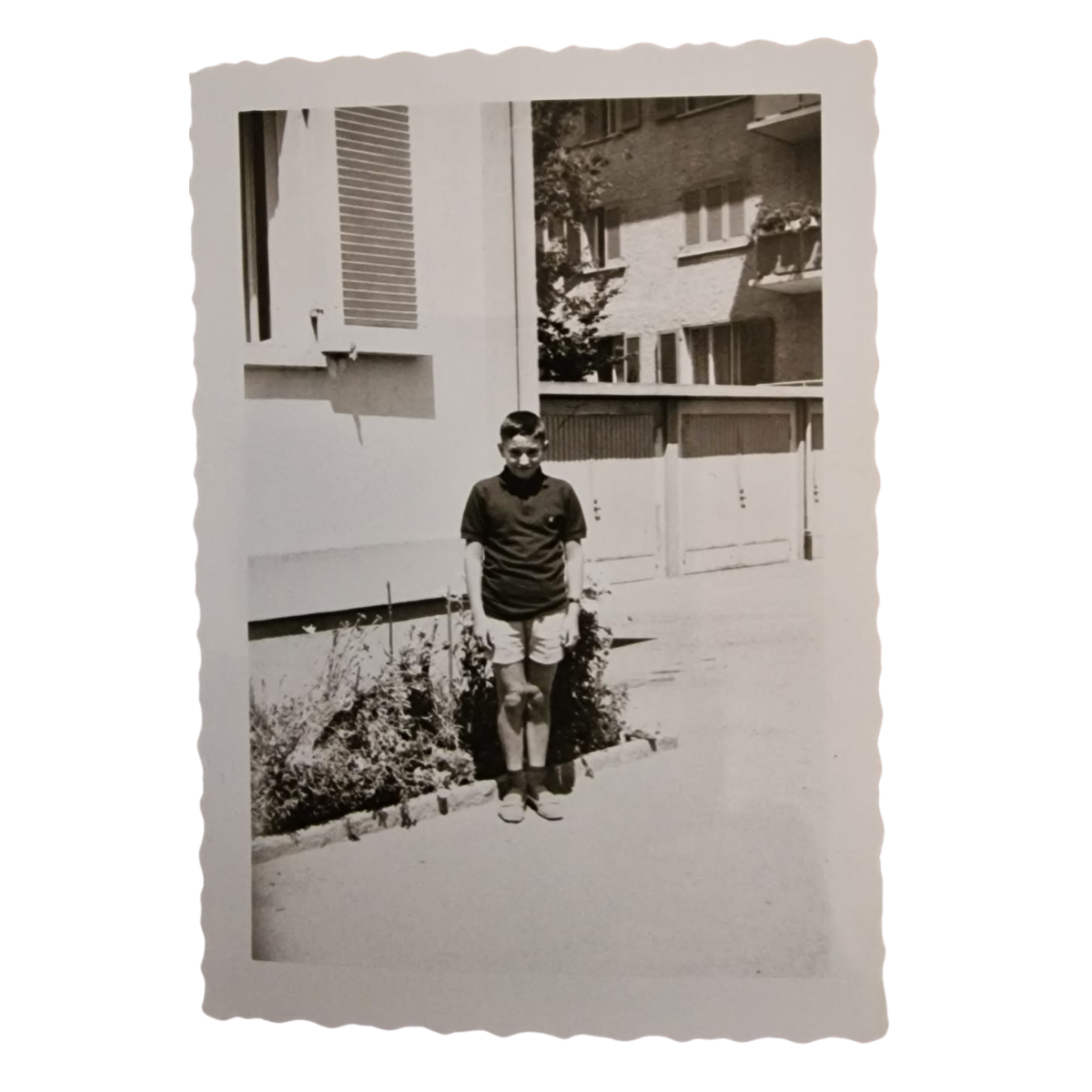
Childhood across borders and a family’s sacrifice for a better future
My father moved to Baden, in the German-speaking canton near Zurich, where the company’s headquarters were located and still are today. He was housed in temporary accommodation provided by the company not far from the factory. It resembled military barracks: a masonry building with large dormitory-style rooms, several beds, shared bathrooms, and so on. My mother was pregnant when he left. I was born, and after a couple of years she also joined my father in Switzerland to work. She was a seamstress and found employment in a company producing swimwear and other garments.
I was left in the care of my grandmother; otherwise, my mother would not have been able to work. My parents’ plan was to earn money, support me, save as much as possible, and eventually return to Italy.
When my mother joined my father, they rented an apartment in Wettingen, a municipality neighbouring Baden. They shared the apartment with one of my father’s colleagues. Each family had one room, and they shared a kitchen and bathroom. This is where I learnt what shared housing really means. It may be an extreme solution for saving money, but it eliminates privacy, even when relations with the other tenant are good. You can imagine what it was like.
Children may not speak about housing quality, but they feel it every day
Meanwhile, I lived with my grandmother in a social housing flat: two rooms, a small kitchen, a tiny living room, and a bathroom with a sink and a squat toilet. There was no hot running water and no heating. To bathe, water had to be heated on the kitchen stove and poured into a large tub. There was only one wood-burning stove in the small living room. At night, beds were warmed using a device placed between the sheet and blanket that allowed a brazier to be inserted underneath. The flat was part of a complex of several hundred dwellings spread across nine buildings.
I lived with my grandmother until I was eleven years old, when my parents returned to Italy. By then, the economy had recovered. My father found work in a factory producing power screwdrivers, and my mother worked for one of the companies in the Max Mara group. During their years in Switzerland, they had managed not only to support me but also to save enough money to buy a home, where we moved upon their return. It was an apartment in a newly built condominium on the fourth floor, without a lift. Later, my father had to sell it and buy another apartment on a raised ground floor because, as he grew older, climbing four flights of stairs would have become difficult.
Finding your place
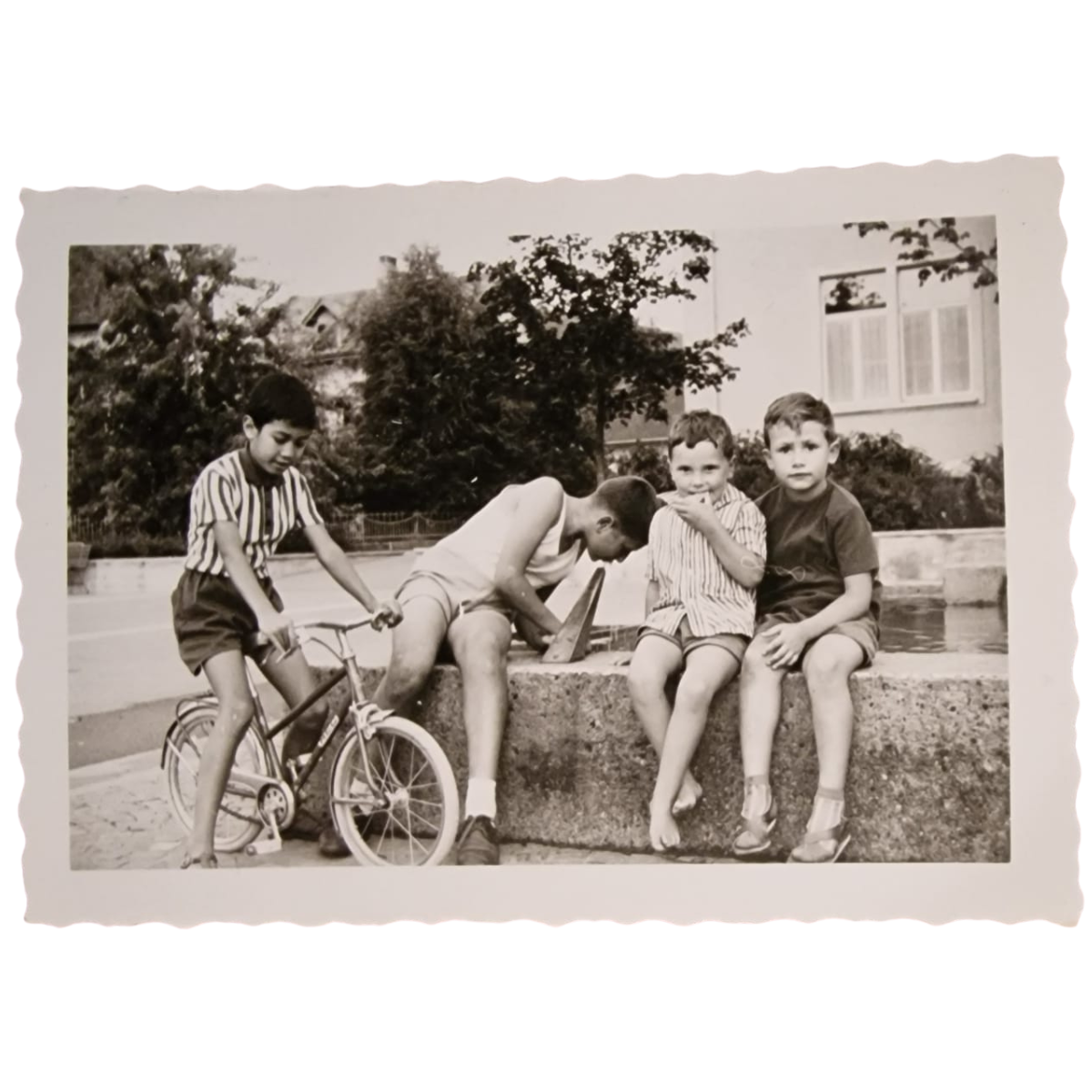
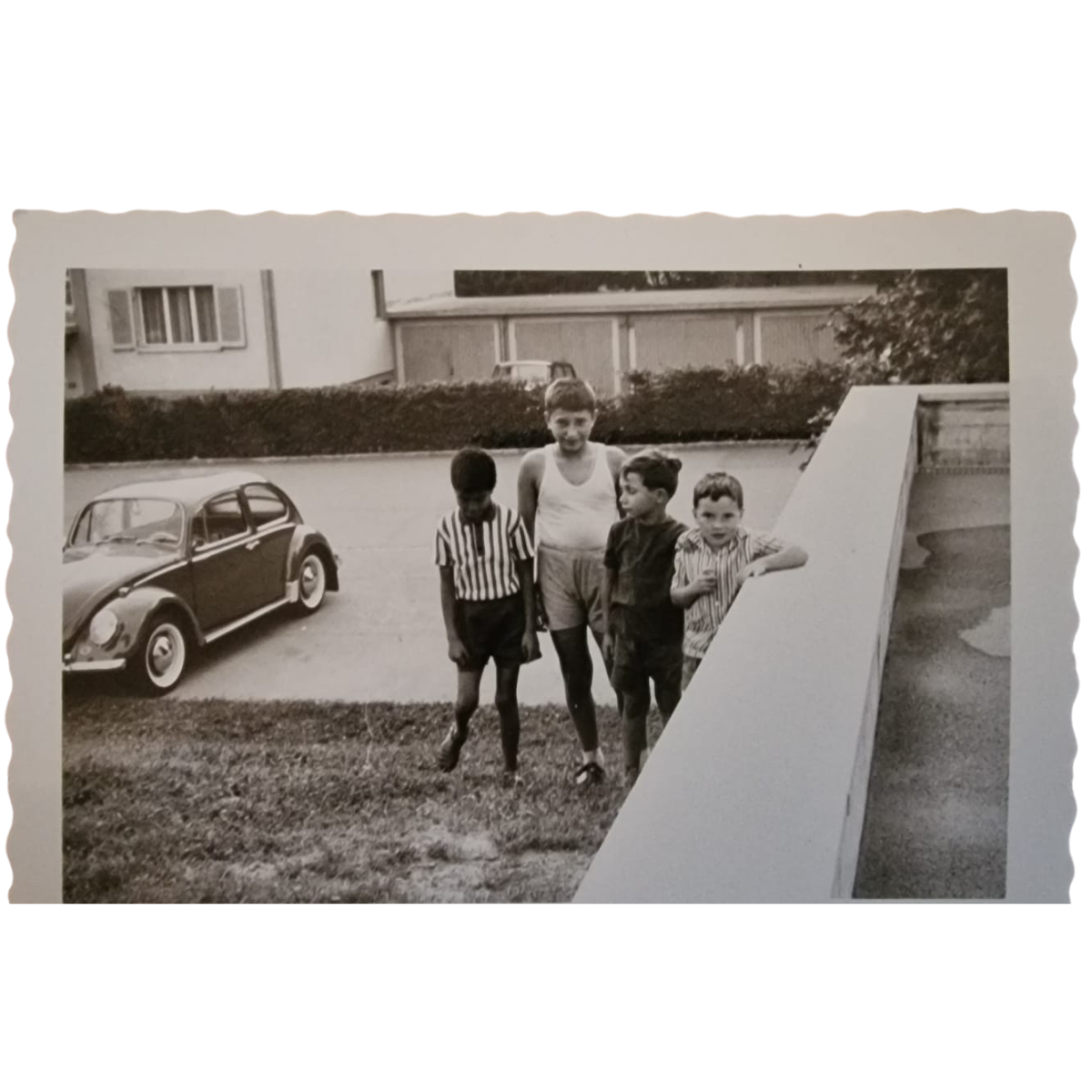
During those years, I spent school holidays in Switzerland with my parents. There, I discovered what it means to be a migrant. Part of the local population accepted you, and I had Swiss friends. Others were less welcoming, and some local boys were openly hostile towards me.
I spent my childhood surrounded by many children from different social backgrounds, almost all Italian, some from difficult family situations. I never suffered any negative consequences from this environment. On the contrary, I have fond memories of both the families who lived there and the children my age. Many of those children later achieved social mobility and built successful lives, taking a wide variety of professional and economic positions.
The neighbourhood where I lived was considered a “working-class” district of lower status, but at that time it was not stigmatised to the point of creating discrimination. These neighbourhoods had a strong social and political identity. Public housing estates, including mine, had a caretaker employed by the social housing company. He handled minor maintenance work and ensured that rules were respected. He was greatly feared by the children.
I continued visiting the neighbourhood until my grandmother’s death.
Why Marco never stopped believing in social housing?
My background shaped my political outlook. From the age of fourteen, I became involved in politics, first through the student movement and later as a public administrator. I was just over twenty when I became President of a District Council, a neighbourhood-level administrative body. Later I served on the City Council of Reggio Emilia, became Deputy Mayor responsible for Public Works and Infrastructure, and then President of ACER Reggio Emilia from 2005 to 2025.
In all these roles, I worked on the regeneration of social housing neighbourhoods with the aim of creating social mix, improving housing quality, and reconnecting these districts with the rest of the city. Many of these neighbourhoods had originally been built outside the urban area. Successive urban development plans reintegrated them into the city and made them the focus of major regeneration programmes.
My commitment to regeneration was strong. As President of the District Council, I supported residents and tenants and worked closely with the social housing provider and the municipality. I involved tenants and local associations in discussions about regeneration projects and urban planning initiatives. The public housing company presented major regeneration plans. Later, after being elected to the City Council, my first speech, if I remember correctly, in 1990, was about the large-scale regeneration programme for the city’s social housing neighbourhoods. These plans were eventually funded and implemented.
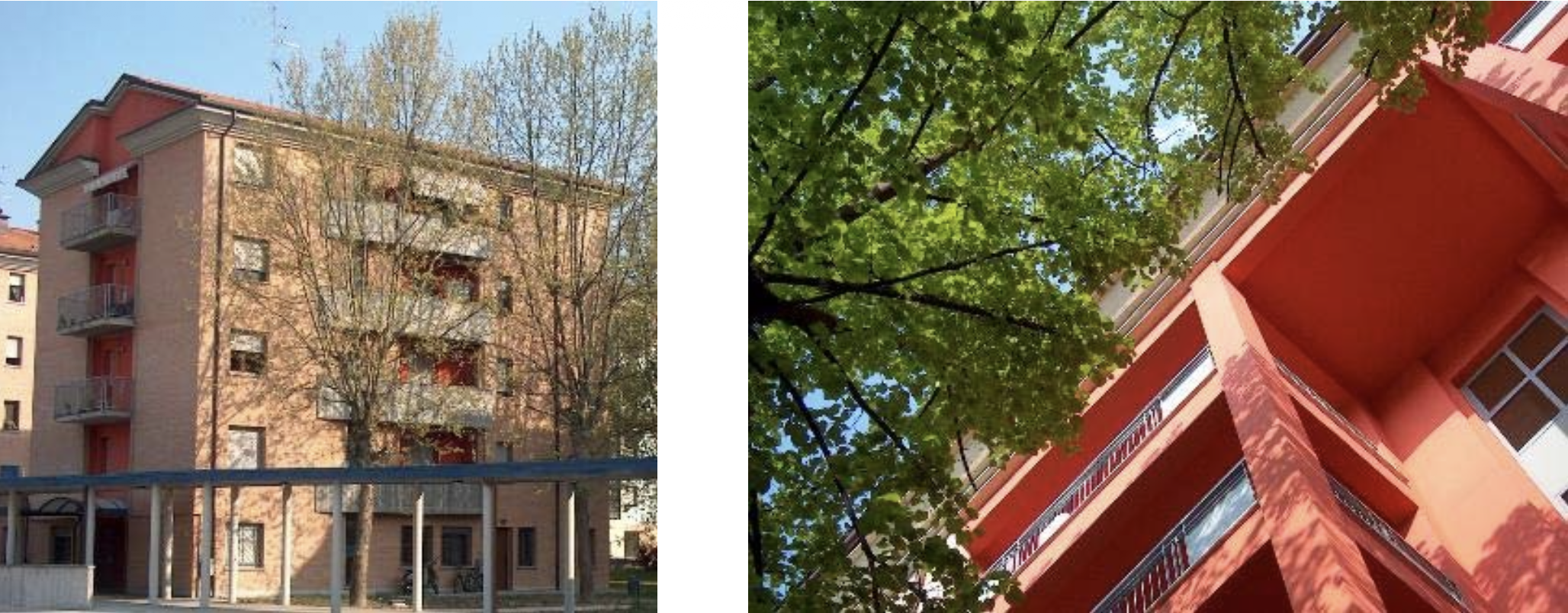
Years later, as President of the housing company, I had the opportunity to bring these projects to completion. One of my greatest satisfactions has been helping to complete, and launch new phases of completion, the regeneration of all the social housing estates in the city.
From the beginning, my political engagement covered many areas, but I always paid particular attention to urban planning, housing policies, public infrastructure, mobility, social issues, and citizen participation in public life.
One achievement of which I am particularly proud is promoting cultural and social activities within neighbourhoods to strengthen community ties, social inclusion, and cohesion, with special attention to older people and adolescents. In my own district, I worked to establish several community centres, initially aimed at older residents, which hosted workshops, theatre activities, photography clubs, games libraries, spaces for performances, and simple recreational activities. These centres were self-managed by residents through volunteer work.
Later, when I became an administrator of my city, I helped deliver a network of thirteen community centres. These centres continue to involve thousands of citizens in cultural, recreational, and sporting activities and remain entirely self-managed.
Alongside my political and administrative responsibilities, I also maintained a professional career, first as a technician in a construction cooperative and later in public administration across several municipalities in my province.
Those early experiences truly shaped my understanding of housing, community and opportunity.