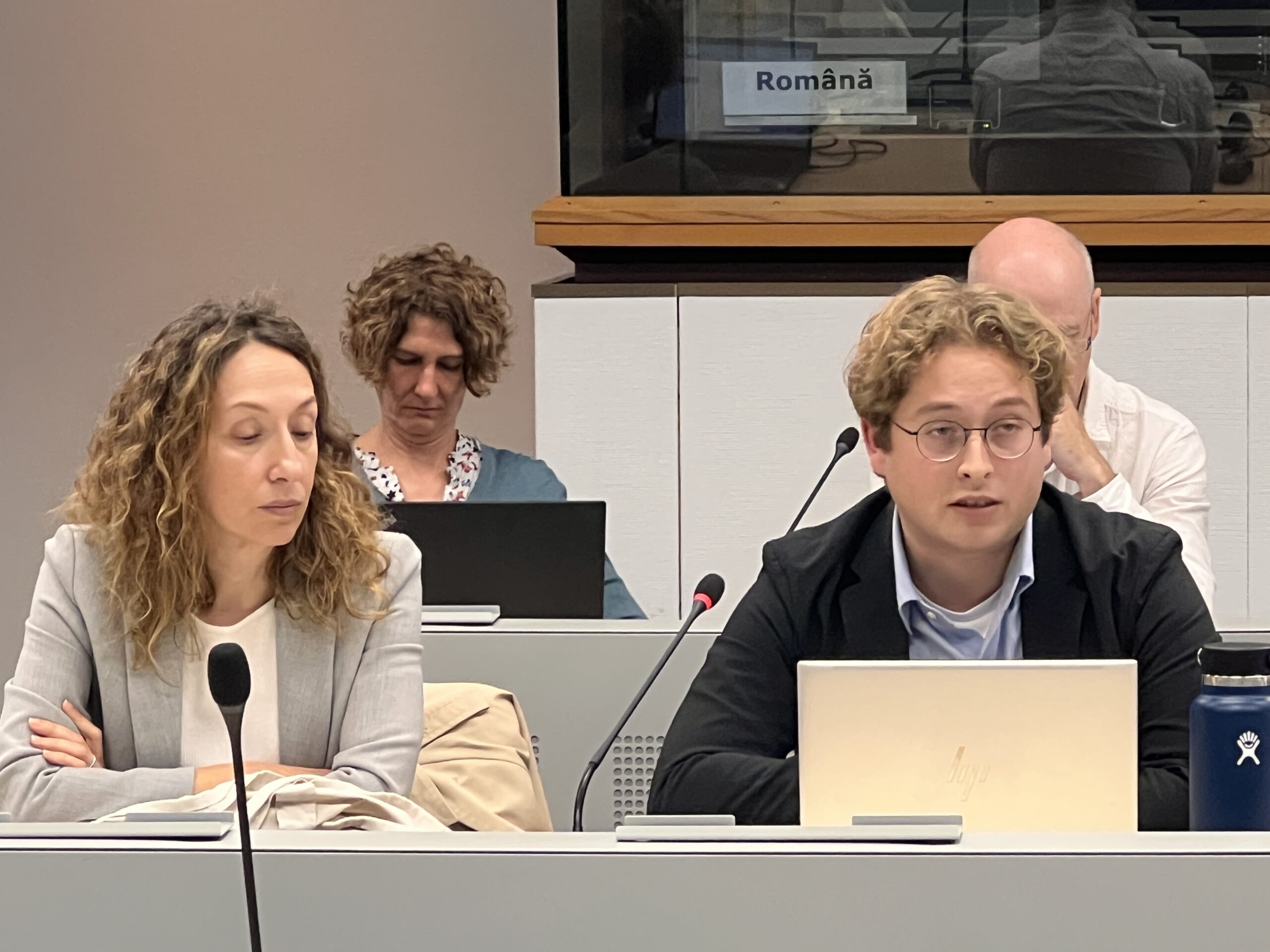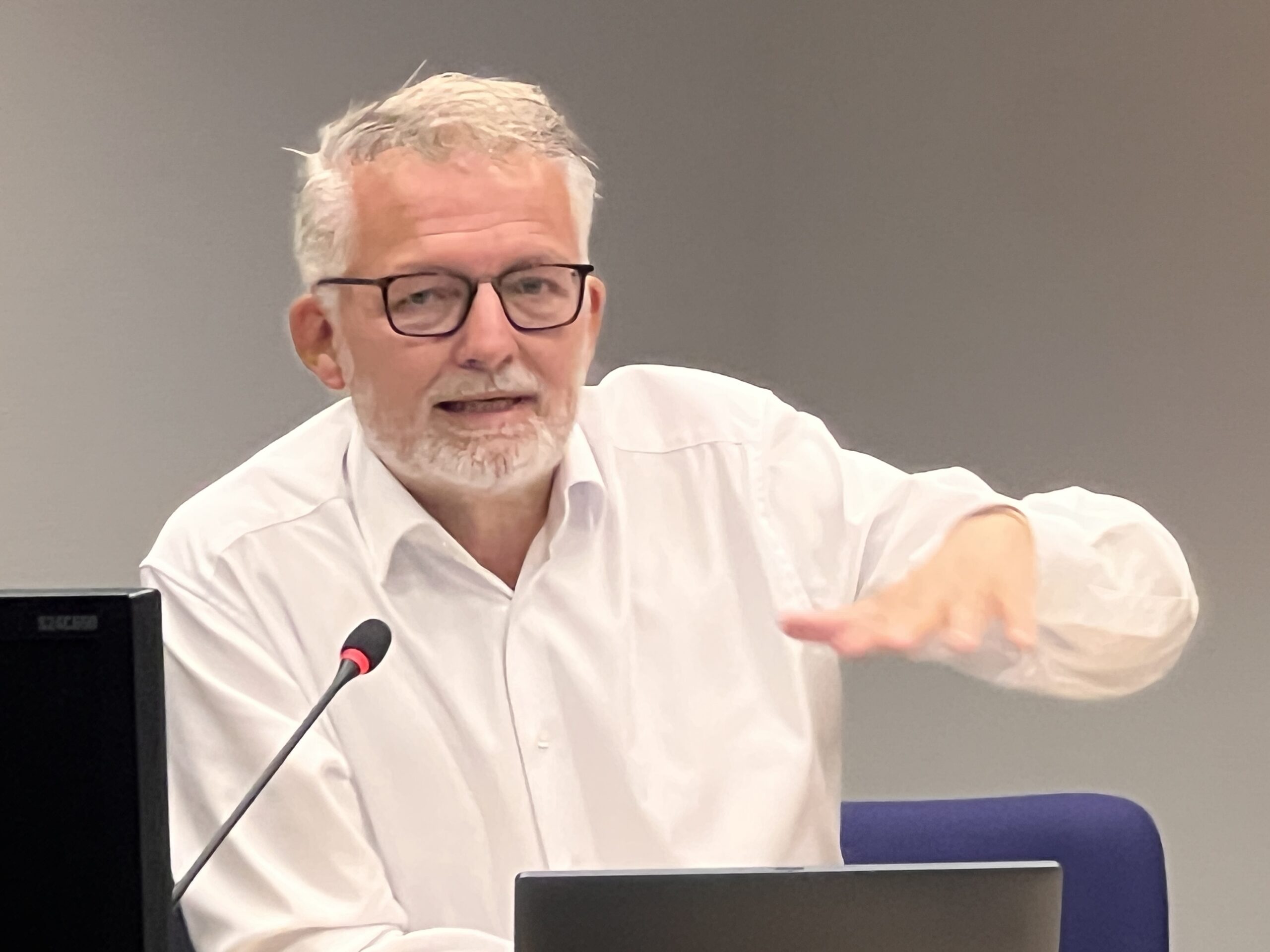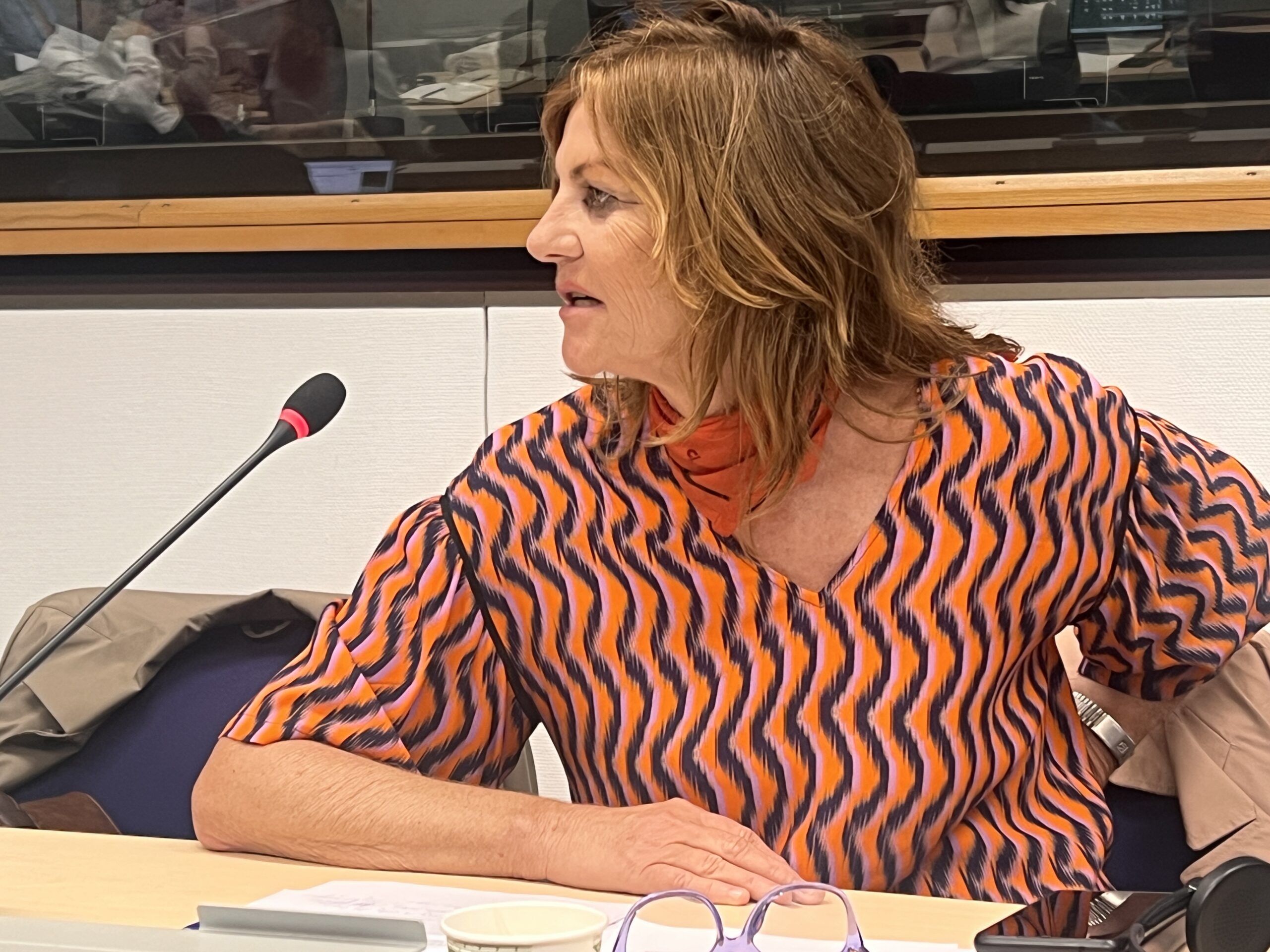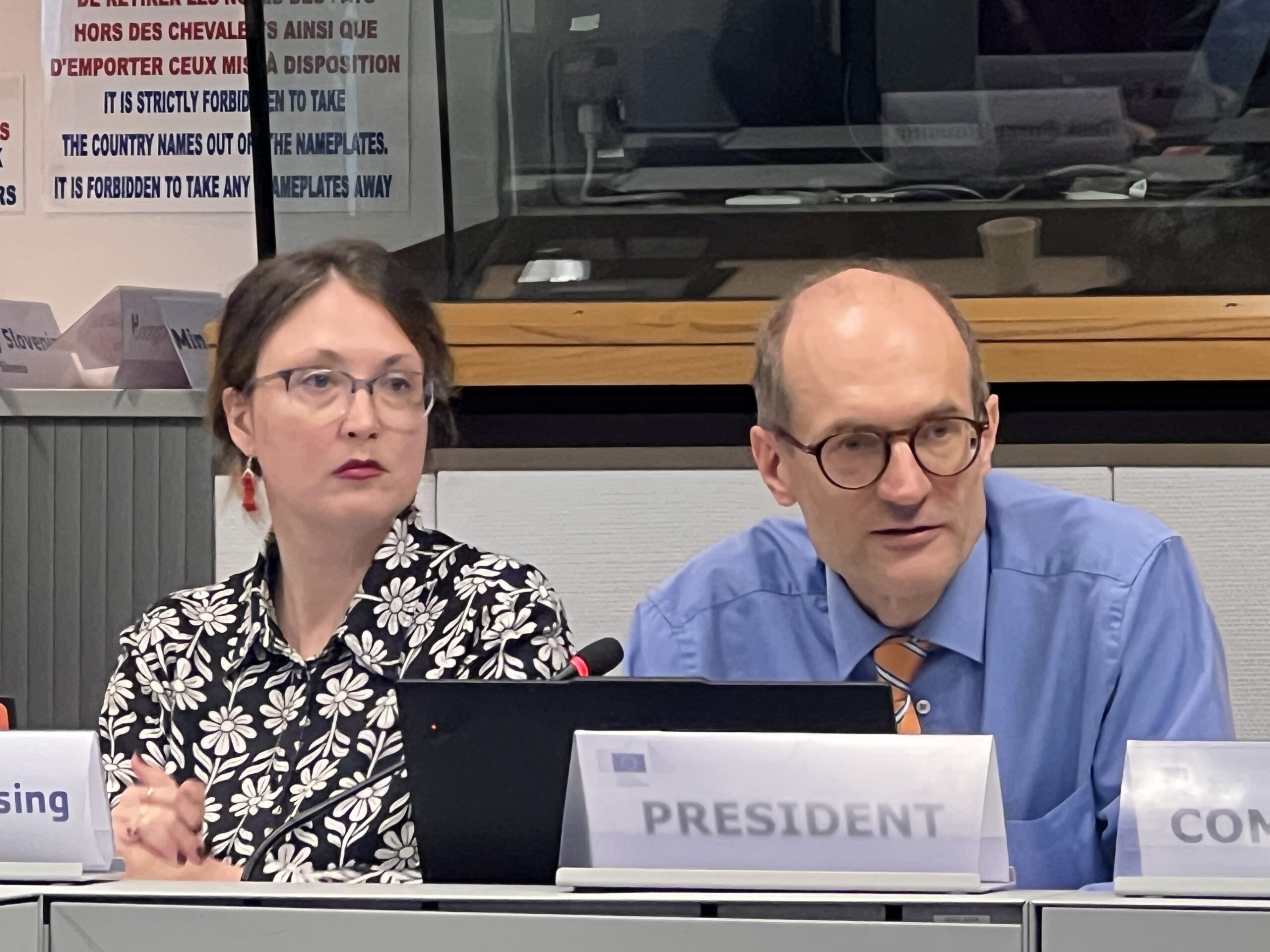
Public, cooperative and social housing is financially viable, resilient and capable of delivering lasting public value. The models that work are not built on housing providers carrying every risk alone. They rely on shared responsibility, strong institutions, tenant participation and, crucially, organisations prepared to stay for the long term. That message came through strongly at a 14 September workshop organised by the European Commission’s Housing Task Force and Housing Europe, bringing together housing providers, municipalities and experts to examine the models and mechanisms that can make affordable housing work over the long term.
Tim Wolters of the Neteherlands’ Association of Housing Corporations (Aedes) pointed to the Dutch system, where municipalities, housing associations and tenants’ unions work through agreements grounded in a Housing Act. Associations make bids in response to municipal housing visions, covering availability, affordability, quality and sustainability, and liveability. Reciprocity between the actors is central, Tim Wolters stressed, alongside ensuring that tenant unions are not overshadowed.
The system also shows how risk can be shared rather than concentrated. Wolters described a structure offering 99% certainty of loan repayment. If difficulties arise, other housing associations form the first line of support; municipalities provide a second tier and, ultimately, the state can step in. Until today, the latter layers have never been triggered. Public backing can therefore provide security without creating expenditure for the state.
Denmark added another ingredient – permanence. Bent Madsen of the Danish Federation of Non-profit Housing Providers, BL described a non-profit sector housing around one million people and representing 20% of the country’s housing stock. Its model combines tenant democracy, mandatory maintenance, municipal basic capital and a healthy National Building Fund that finances deep renovation. The system is deliberately designed to prevent extraction: resources accumulated within it remain for housing and tenants. For Madsen, that fundamentally shapes public-private cooperation. Providers must share the objectives of the welfare state and accept responsibility for neighbourhood development. “We are there forever,” he said. “We are not selling anything any time.” Permanence means living with the consequences of today’s decisions decades from now.
That makes accountability equally important. Barbara Steenbergen, head of the EU office of the International Union of Tenants (IUT) highlighted Denmark’s tenant democracy and argued for legislation guaranteeing a level playing field between tenants, landlords and municipalities. “I believe in signed contracts,” she said.
Long-term stewardship also means dealing with the everyday realities of managing homes and communities. Marina Pérez Jiménez, legal expert at Viviendas Municipales de Bilbao and member of the Spanish Public Housing Association (AVS), offered a glimpse of what that entails in practice. Bilbao, a city of around 350,000 inhabitants, has some 4,000 public housing units – the highest number of public rental homes in Spain. Its approach combines tenants’ obligations on the proper use of their homes and good neighbour conduct with systematic management of community incidents, from noise and neighbour disputes to vandalism, cleanliness, misuse of common areas and squatting. Around 4% of the stock reports incidents; noise accounts for 31% of reported cases and misuse of common areas for 29%. Recording where problems occur and what action is taken turns community relations into part of housing management rather than an afterthought. We have explored more tried and tested practices that prevent and tackle anti-social behaviour in this Housing Europe briefing.
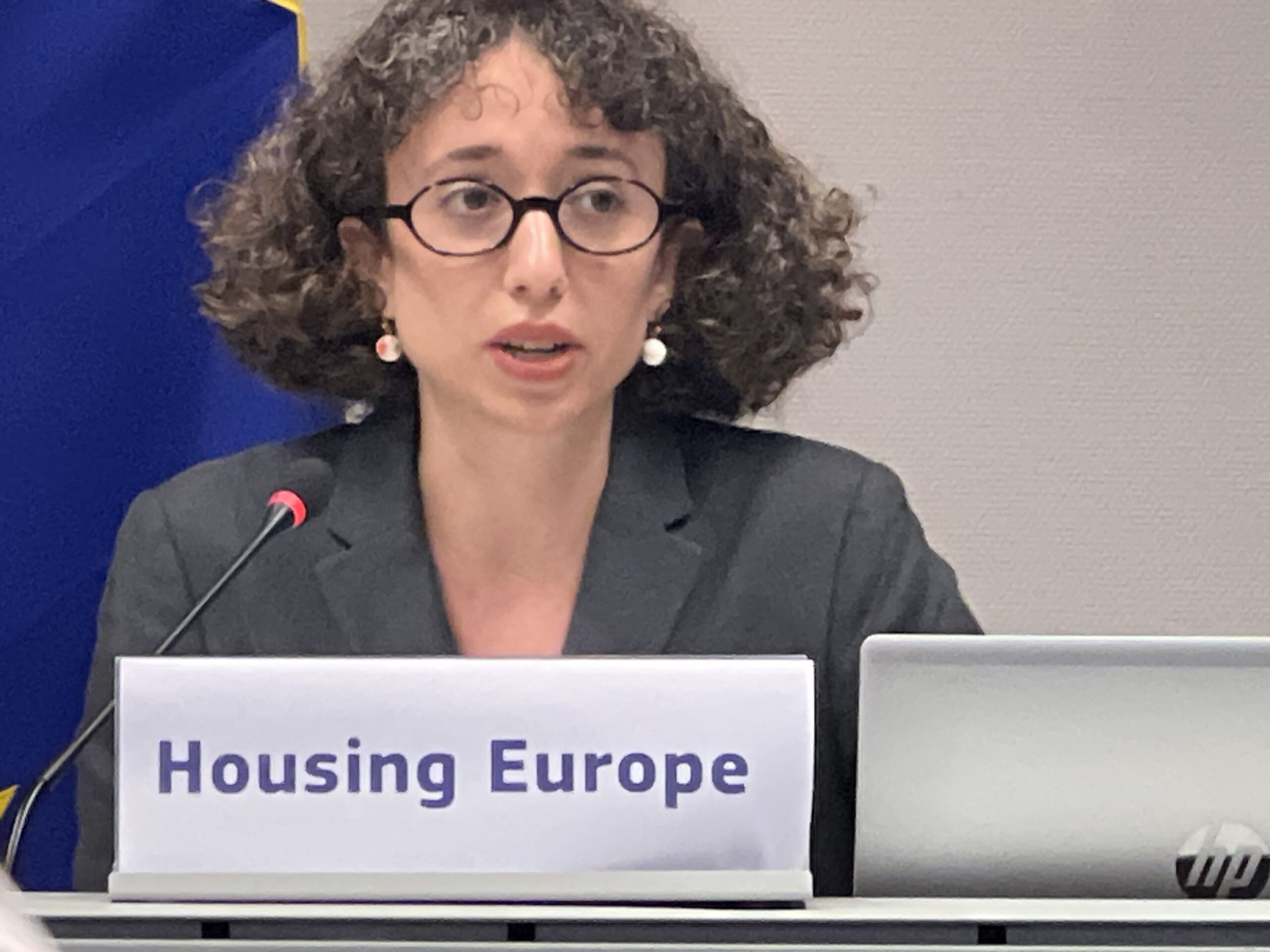
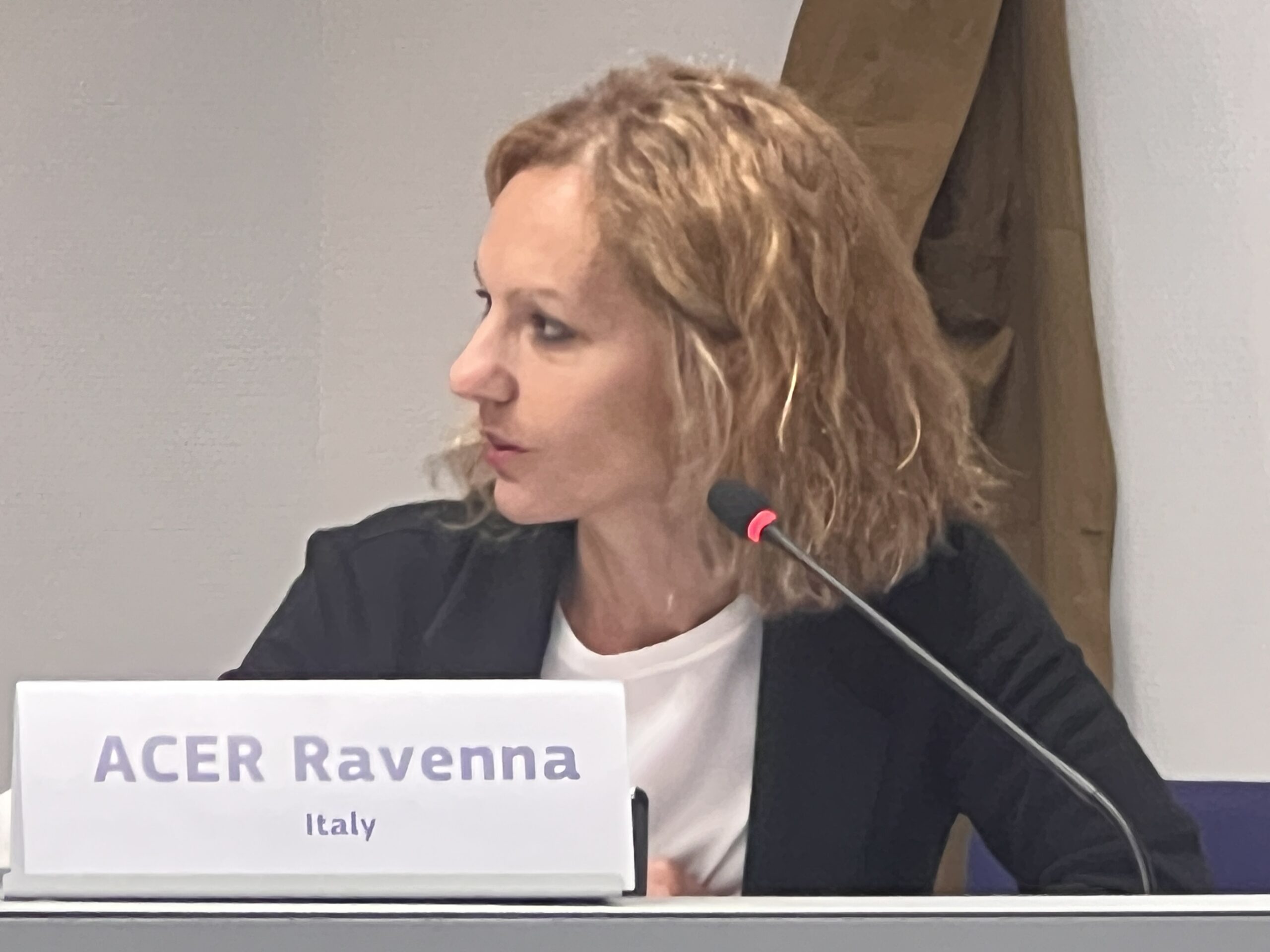
That same long-term responsibility becomes even more consequential when shocks hit. Long-term responsibility is also being tested by climate change. Lina Taddei, President of ACER Ravenna, a public housing company in Italy, described millions in estimated damage from the 2023 and 2024 floods, which prompted new emergency protocols, closer coordination with authorities, damage mapping and work with digital twins. However, insurance does not cover the full damage from climate events, while repeated disasters push costs higher. Housing Europe’s Clara Mafé widened the lens and brought up the finding of a recent Housing Europe report that climate risk affects housing systems across Europe, but places where public housing has a major presence can be better positioned to adapt through collaboration, data, investment and long-term strategies.
For public-private partnerships and appetites, that leaves a demanding test, not simply who can build or manage housing more cheaply, but who carries risk, who retains value, how tenants exercise influence and who will still be there when the bill comes due.