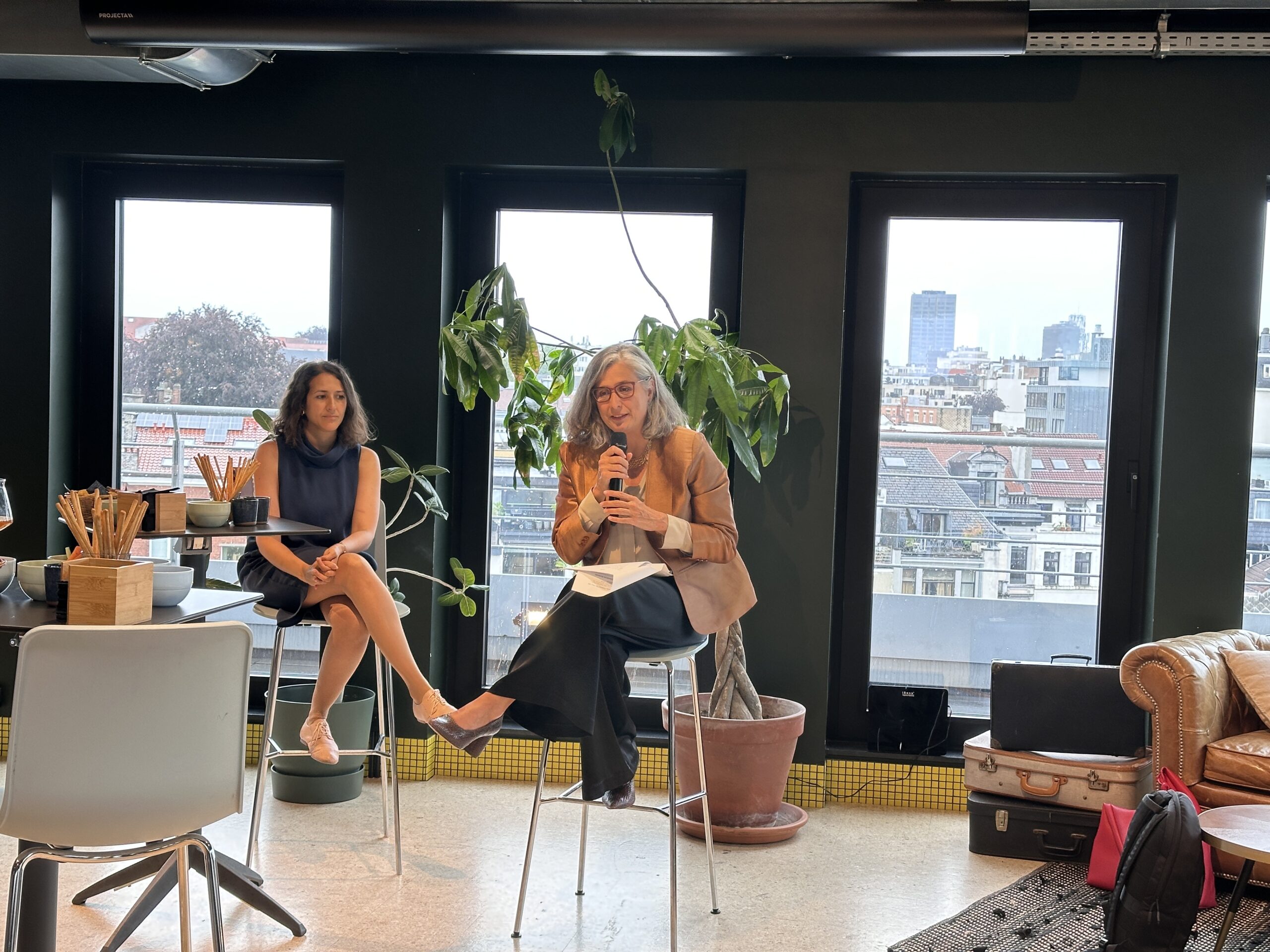
Cities, housing providers and architects say yes.
Europe is facing two crises that are often discussed separately: a housing crisis that is making decent homes increasingly unaffordable, and a climate crisis that is exposing millions of people to heatwaves, flooding and other extreme weather events.
But what if affordability and climate resilience are not competing priorities? What if they are two sides of the same challenge?
One of our findings in a recent report that assessed climate resilience in public, cooperative and social housing was that adaptation strategies are often driven by local authorities and that collaboration between local/ regional authorities and housing providers on climate adaptation is not widespread. There is a need to promote and support local partnership frameworks between regional and municipal authorities and public, cooperative and social housing providers to ensure coordinated planning, financing and implementation of climate-resilient housing solutions.
This was the starting point of Delivering Affordable and Climate-Resilient Housing for All, a New European Bauhaus satellite event that brought together cities, architects, public, cooperative and social housing providers, European institutions and international organisations in Brussels. Co-organised by Housing Europe, the Architects’ Council of Europe (ACE), EUROCITIES, the Norwegian Technical University and other international partners, the event built on lessons from European-funded initiatives such as ARV – Climate Positive Circular Communities. Through neighbourhood-scale demonstrations across Europe, ARV explores how cities, housing providers, architects and residents can work together to deliver climate-positive and climate-resilient communities. Many of the discussions throughout the day echoed challenges and solutions already being tested in these collaborations, from resident engagement and circular renovation to governance models and long-term partnerships.
The discussions converged around a simple but powerful message: climate resilience and affordability must go hand in hand. Public, cooperative and social housing providers, as long-term social infrastructure rooted in communities, have a crucial role to play in ensuring that the transition is both sustainable and fair. This consensus would later be reflected in a joint declaration endorsed by the participating organisations.
The event also took place against the backdrop of renewed political attention to housing and cities at European level, with both European Commission President Ursula von der Leyen and European Council President António Costa reaffirming their commitment to the New European Bauhaus initiative.
Four cities, one lesson: partnerships matter
Horizon Europe funds ARV, OPENLAB have allowed Wonen in Limburg and Salus to develop ambitious social housing projects at scale in collaboration with the city of Genk and Sønderborg. These examples not only brought cities closer to EU climate objectives but also demonstrated strong social impact in terms of affordable housing and democracy.
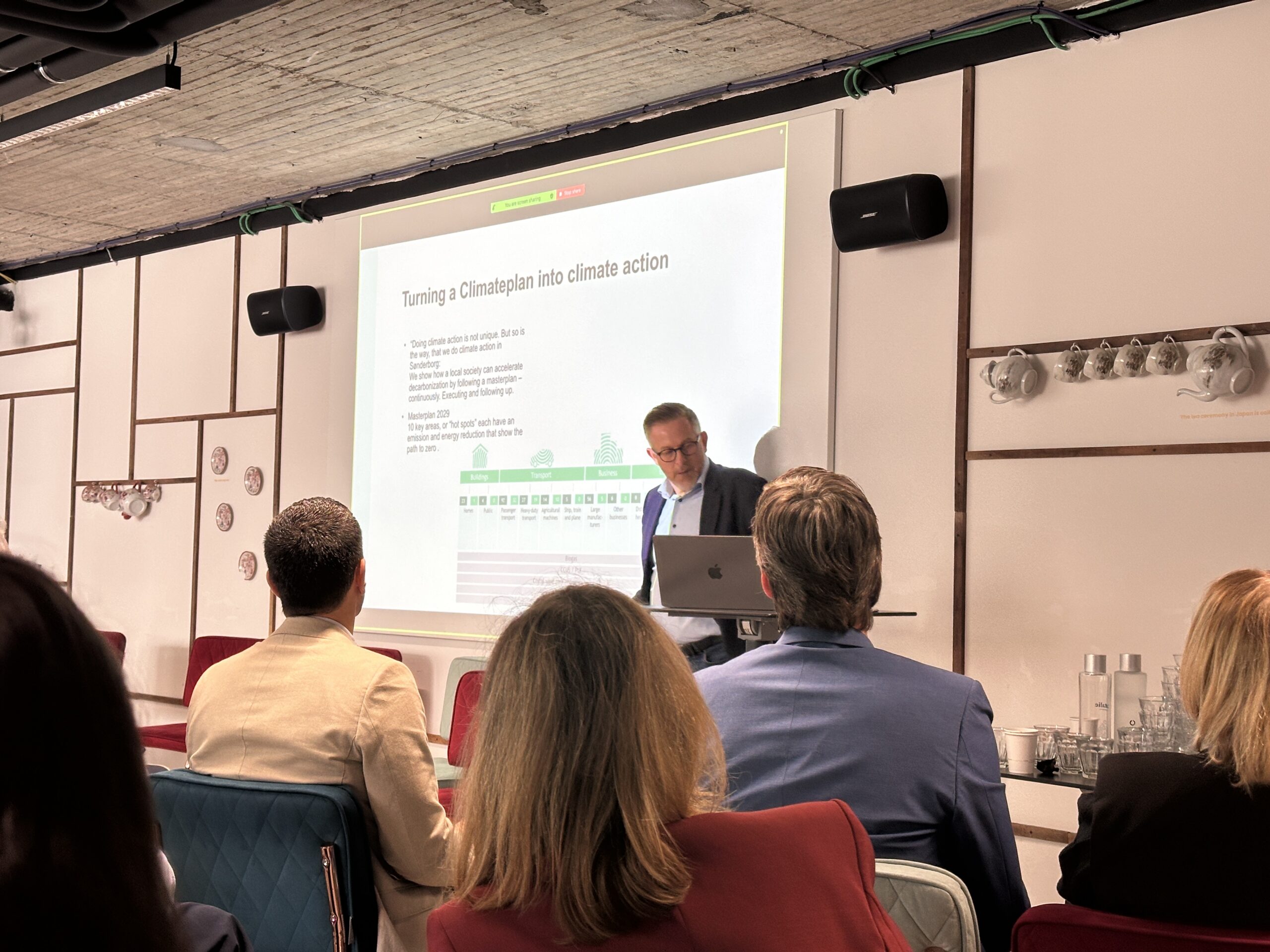
In Sønderborg, Denmark, climate-resilient and affordable housing is embedded within the municipality’s broader ambition to achieve a CO₂-neutral energy system by 2029. Through ProjectZero, a public-private partnership bringing together the municipality, businesses, educational institutions and housing providers, social housing company Salus Boligadministration coordinates the housing-related actions. Built around a “reduce, reuse, renewables” approach, the initiative has contributed to a 75% reduction in CO₂ emissions across the municipality. In one renovation project covering 19 housing blocks, heat consumption fell by 27%, while more than 3,000 m² of solar panels and battery storage systems now cover around 38% of residents’ electricity demand, supported by AI-based energy management. Tenant participation is central to the model: residents vote on major investments and ‘Green Ambassadors’ help raise awareness, encourage participation and ensure that the benefits of the transition are reflected in lower energy bills.
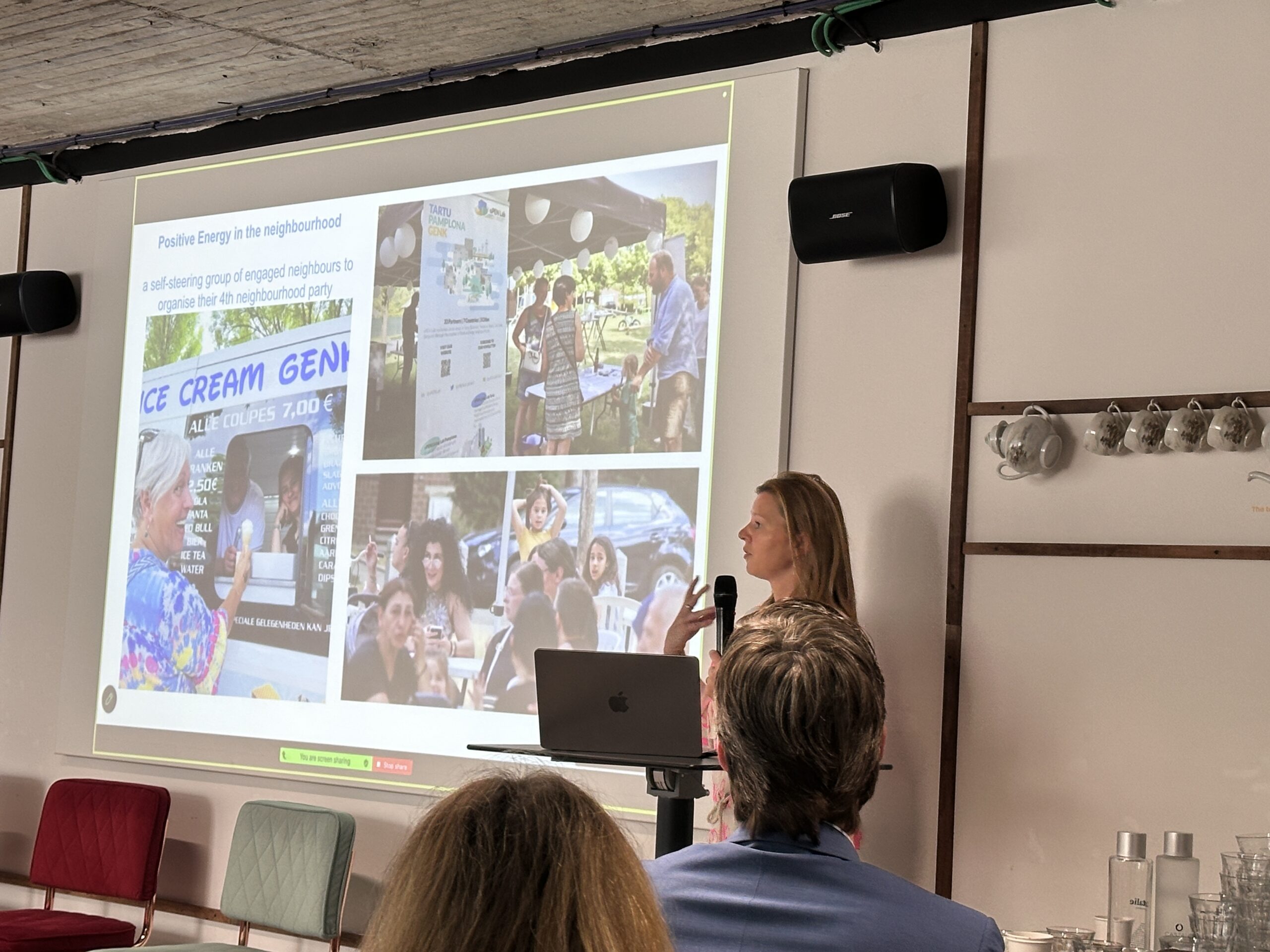
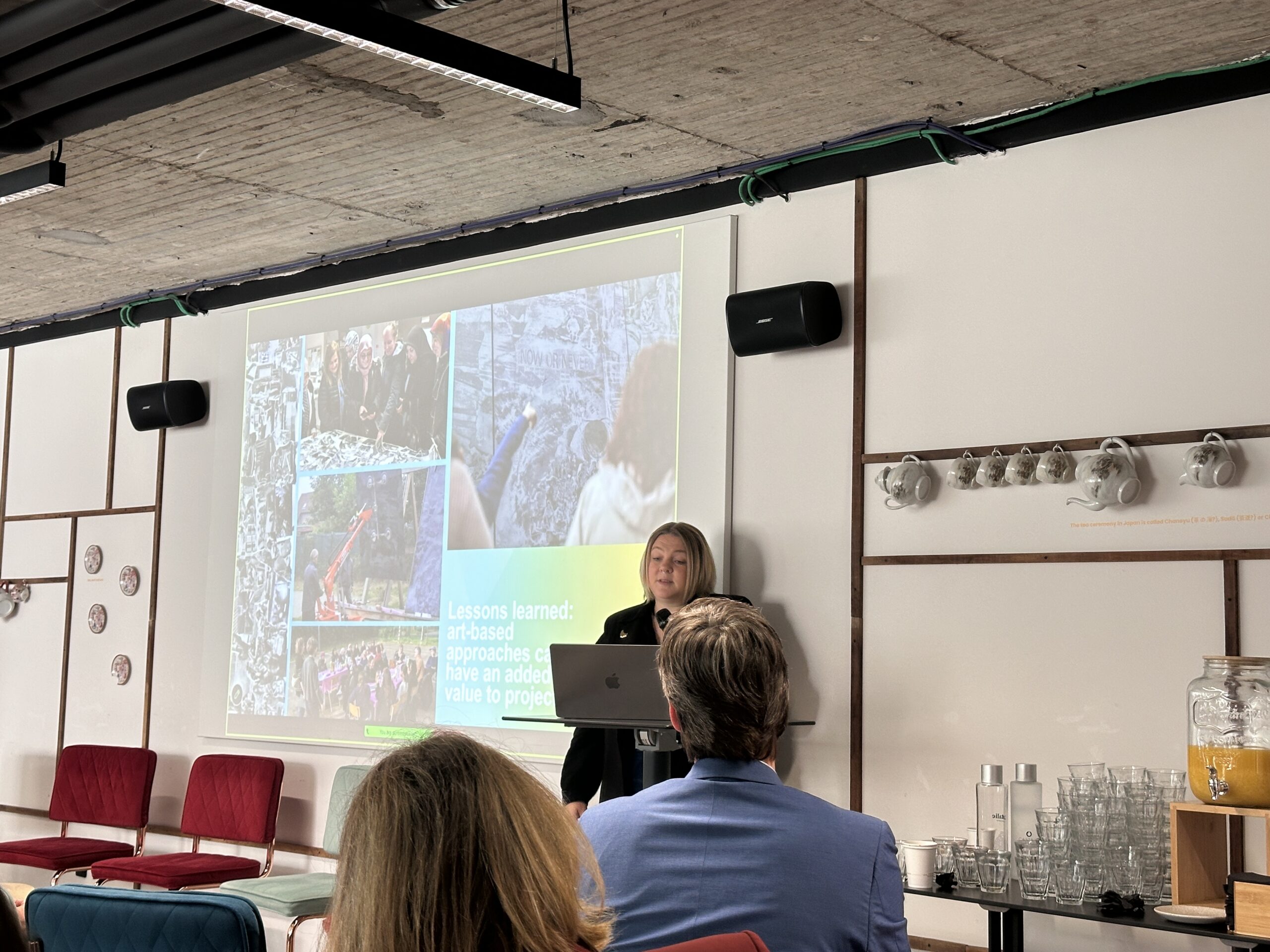
In Genk, Belgium, partners involved in the oPEN Lab project – City of Genk, social housing company Wonen in Limburg and the construction and development company Habenu-van de Kreeke – demonstrated why creating a positive energy neighbourhood is fundamentally a social project rather than a technological one. Extensive community engagement, artistic interventions and resident participation helped ensure that people could recognise themselves in the transformation process. The project renovated 270 social housing units and showed both the opportunities and challenges of neighbourhood-scale transformation. As several speakers stressed, acceptance grows through trust, simplicity and dialogue.
Amsterdam presented a neighbourhood-scale approach in which the municipality works with housing providers, utilities and residents to identify and address climate risks where they are most acute. Using climate adaptation dashboards and risk maps that combine environmental and social vulnerability data, the city identifies priority areas and develops joint interventions with housing associations. The Slotervaart-Zuid pilot illustrates this approach: the municipality, housing provider Ymere and water authorities jointly assessed risks related to heat, flooding and drought and co-designed measures ranging from increased water retention, green infrastructure and tree planting to passive cooling solutions, shading devices and community-based heat action plans.
Vienna offered perhaps the clearest example of what can be achieved through long-term commitment. Around one quarter of the city’s two million inhabitants live in municipal housing, while another 450,000 live in cooperative and limited-profit housing. Every major new development must include two-thirds subsidised housing. Supported by stable financing mechanisms and strong planning policies, the city’s housing model demonstrates how affordability, climate adaptation and social cohesion can reinforce one another. It also underlines the value of treating housing as essential social infrastructure and maintaining a long-term perspective that extends beyond electoral cycles.
Despite their differences, all four examples pointed towards the same conclusion: climate-resilient housing cannot be delivered by a single actor. It depends on cooperation across inter-dependent sectors, levels of government and local communities.
What policymakers are signalling
Housing is moving higher on the European agenda, and climate resilience is increasingly becoming part of the conversation.
Speaking on behalf of the European Parliament, Marcos Ros Sempere pointed to several encouraging developments in ongoing negotiations on the next Multiannual Financial Framework (MFF). Among them is Parliament’s support for earmarking for housing-related investments, alongside proposals to make public housing acquisition and renovation eligible under the European Regional Development Fund (ERDF). He also called for housing to become eligible across a broader range of EU funding instruments, arguing that Europe’s housing challenge requires investment at every level of governance.
Beyond political declarations, the discussions pointed to the scale of the challenge ahead. Speakers highlighted a European housing investment gap estimated at around €1.5 trillion annually, underlining why public funding alone will not be sufficient and why new partnerships between European institutions, national governments, cities, housing providers and financial actors will be needed.
Mariangiola Fabbri, representing the European Commission’s Housing Task Force, stressed that housing providers must be placed at the centre of planning processes. ‘There is no housing without buildings, but there are no buildings without the necessary infrastructure,’ she noted, arguing that climate resilience, infrastructure and housing supply must be addressed together rather than through separate policy approaches.
According to Fabbri, this integrated approach is already being reflected in the preparation of the European Affordable Housing Plan, where climate resilience is considered alongside affordability and housing quality. She also highlighted the role of the Housing Task Force in bringing together stakeholders across different levels of governance and pointed to the upcoming Pan-European Platform for Investment in Affordable and Social Housing as an important opportunity to connect policy ambitions with the financing needed to deliver them on the ground.
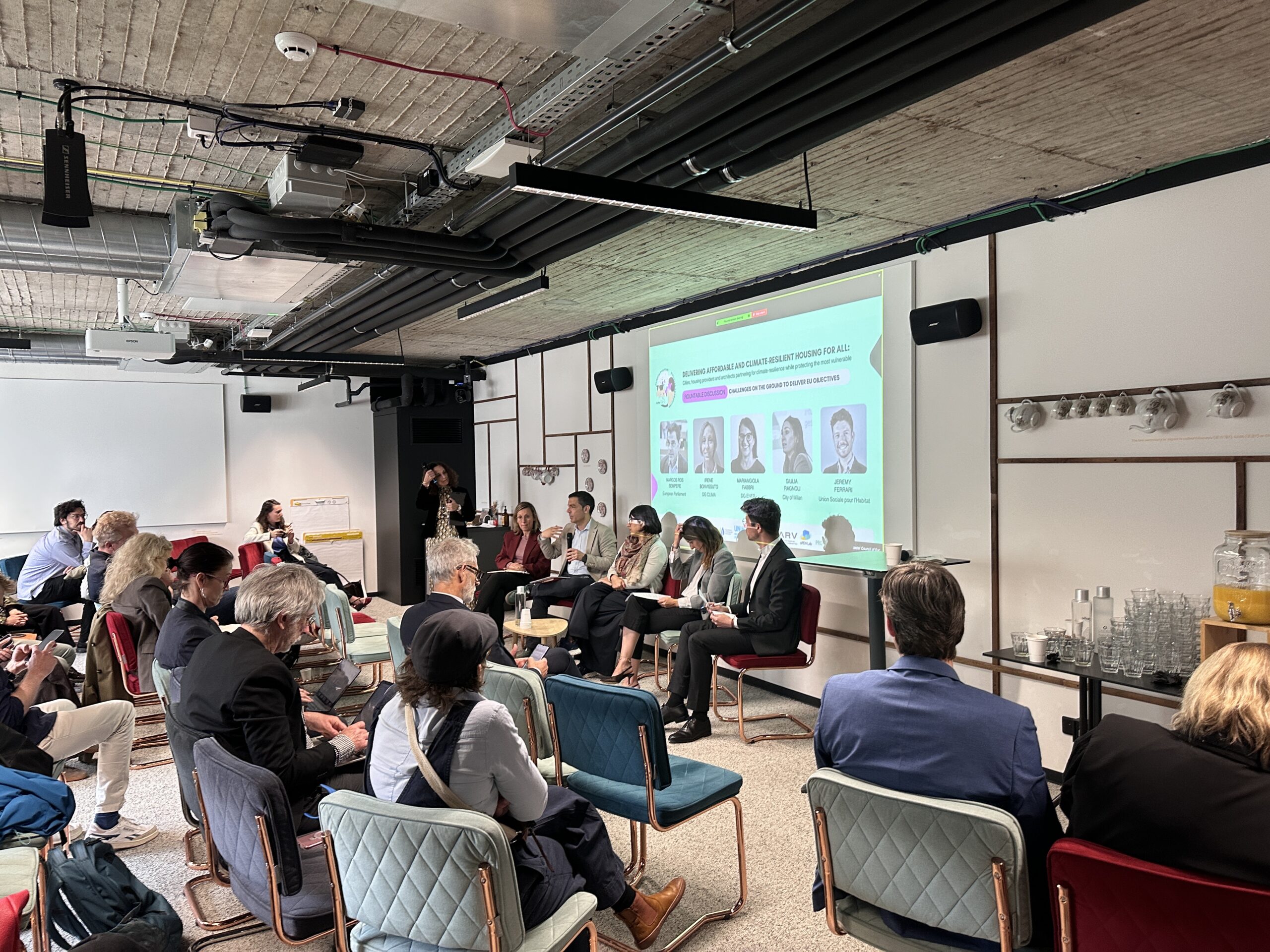
Irene Bonvissuto from DG CLIMA of the European Commission stressed that climate risk must be embedded across all sectors, with investments guided by ‘resilience by design’ and supported by materials and solutions adapted to future climate conditions.
Giulia Ragnoli from the City of Milan called for housing providers to be placed at the centre of housing strategies and for cities to have more direct access to European funding. She highlighted Milan’s plan to deliver 8,000 homes over the next decade while preserving affordability and community life.
Jeremy Ferrari from the Union Sociale pour l’Habitat highlighted the role of European partnerships, pointing to cooperation between Banque des Territoires and the European Investment Bank, alongside stronger exchanges of good practices across countries.
The message from both institutions was clear: delivering affordable and climate-resilient housing will require stronger links between housing, infrastructure and climate policy. But policy alone is not enough. As Marcos Ros Sempere put it: ‘When cities want, it is possible.’
From ambition to commitment
The event culminated in the signing of a joint declaration by Housing Europe, EUROCITIES, the Architects’ Council of Europe (ACE) and the Global Alliance for Buildings and Construction (GlobalABC), calling for a European partnership for climate-resilient and low-emission affordable housing.
The declaration recognises that climate change disproportionately affects lower-income households, while housing providers, cities and architects face growing financial, regulatory and practical challenges in delivering affordable and quality housing. It argues that strong alliances between these actors are essential to turn climate ambition into concrete action on the ground. Public, cooperative and social housing are not simply housing tenures. They are long-term social infrastructure that protects vulnerable communities, supports quality of life and helps ensure that no one is left behind in the transition to climate neutrality. This point was echoed by Yves-Laurent Sapoval, Co-Chair of the Global Alliance for Buildings and Construction and Urban Envoy at France’s Ministry of Ecological Transition, who described rental social housing as ‘a key asset that we do not talk enough about.’
The declaration’s signatories shared a common conviction: climate resilience cannot be achieved through technical solutions alone. For Housing Europe Secretary General Sorcha Edwards, the most successful innovations in housing are almost always rooted in partnerships. ‘Any time we see a real innovation in our sector, whether that is climate adaptation or social innovation, it is usually down to a partnership,’ she noted. Future-proof neighbourhoods require collaboration with local authorities, architects, universities, utilities and residents themselves. The challenge now is not only to develop good examples, but to create the governance and financing frameworks that allow them to be replicated at scale across Europe.
The same message emerged from cities. André Sobczak, Secretary General of EUROCITIES, warned that local authorities often face both capacity constraints and fragmented governance structures. ‘All actors need to be around the table,’ he argued, stressing that cities need stable funding and long-term support to scale existing solutions.
For Elizabeth Gossart, Vice-President of the Architects’ Council of Europe, the green transition will only succeed if it improves people’s everyday lives. She argued that quality design, bioclimatic architecture and affordability should be considered complementary objectives rather than competing priorities.
Hanane Hafraoui, Buildings Lead at GlobalABC, brought a global perspective to the discussion. She challenged the idea that sustainability and affordability are inherently at odds, arguing instead that housing, climate action and social inclusion must be addressed together through an urban lens. She also highlighted the importance of making better use of existing land and buildings through regeneration, reuse and long-term investment grounded in local realities.
Bringing the discussions back to the global level, UN-Habitat Executive Director Anacláudia Rossbach reflected on the ten years since the adoption of the New Urban Agenda and to what was discussed during the . Housing, she noted, has finally become a central political issue, yet cities still lack the powers, expertise and financing needed to fully address the challenge. Referring to the ongoing review of the global urban agenda, her call for a stronger coalition around housing, climate resilience and social inclusion, grounded in cities and supported by long-term finance echoed the ones from the World Urban Forum in Baku. Her message was ultimately a simple challenge to participants: when the next major review comes around in ten years’ time, the sector should be able to point not only to new commitments, but to tangible improvements in people’s lives.
The solutions already exist. The challenge now is scaling them up through investment, supportive regulation and stronger cooperation, while recognising public, cooperative and social housing as essential social infrastructure for resilient and inclusive communities.
Read the declaration in full below