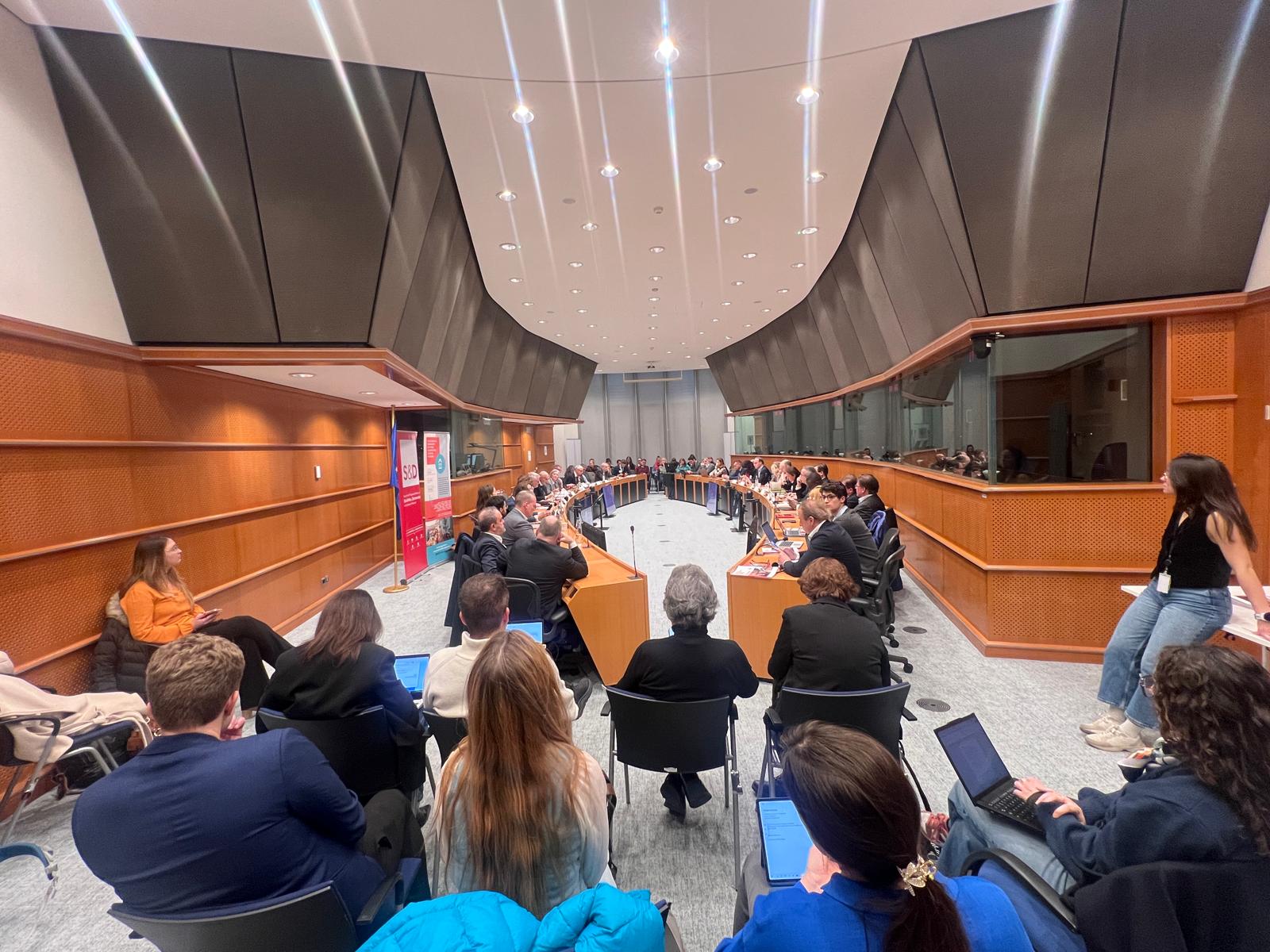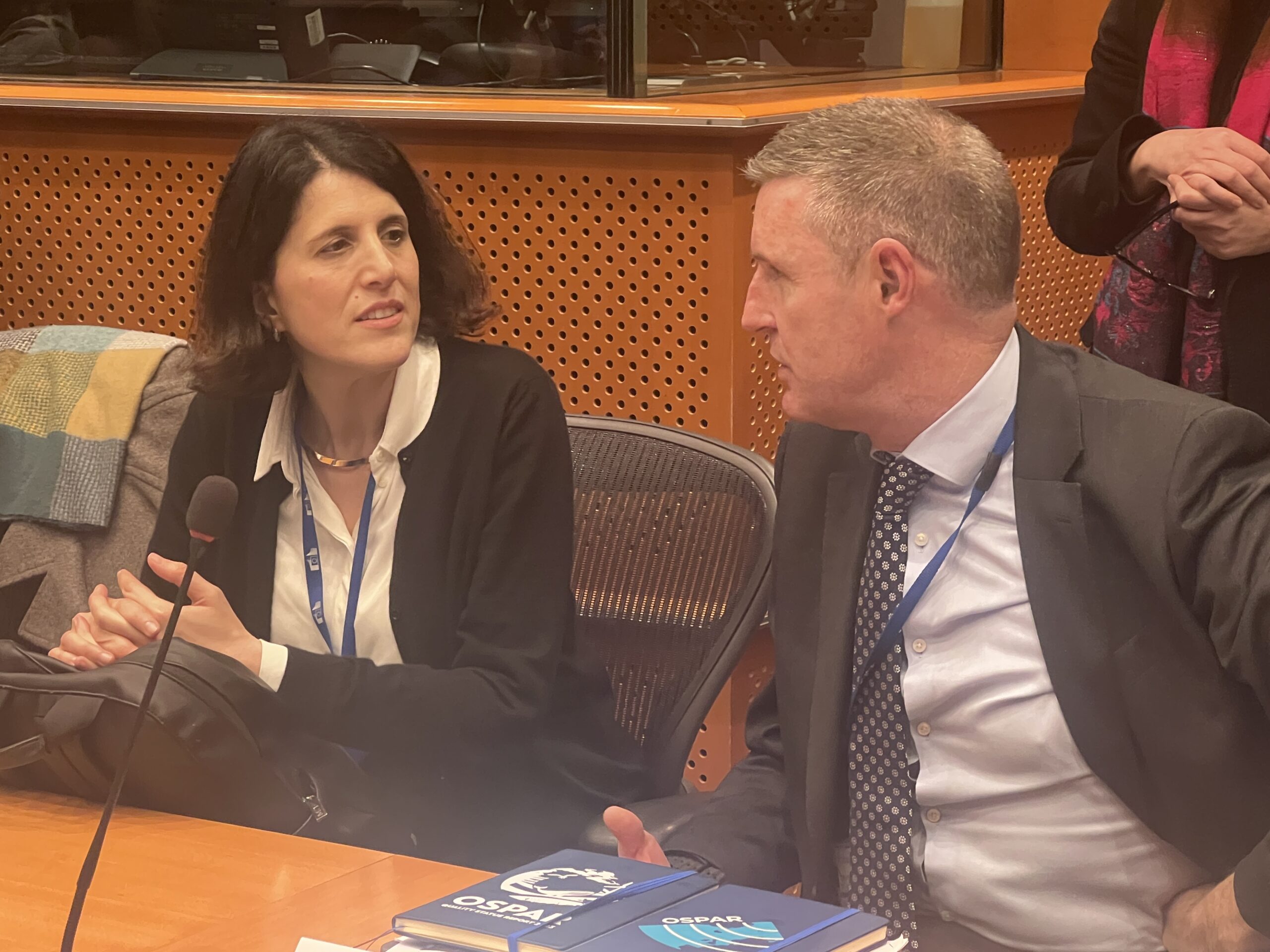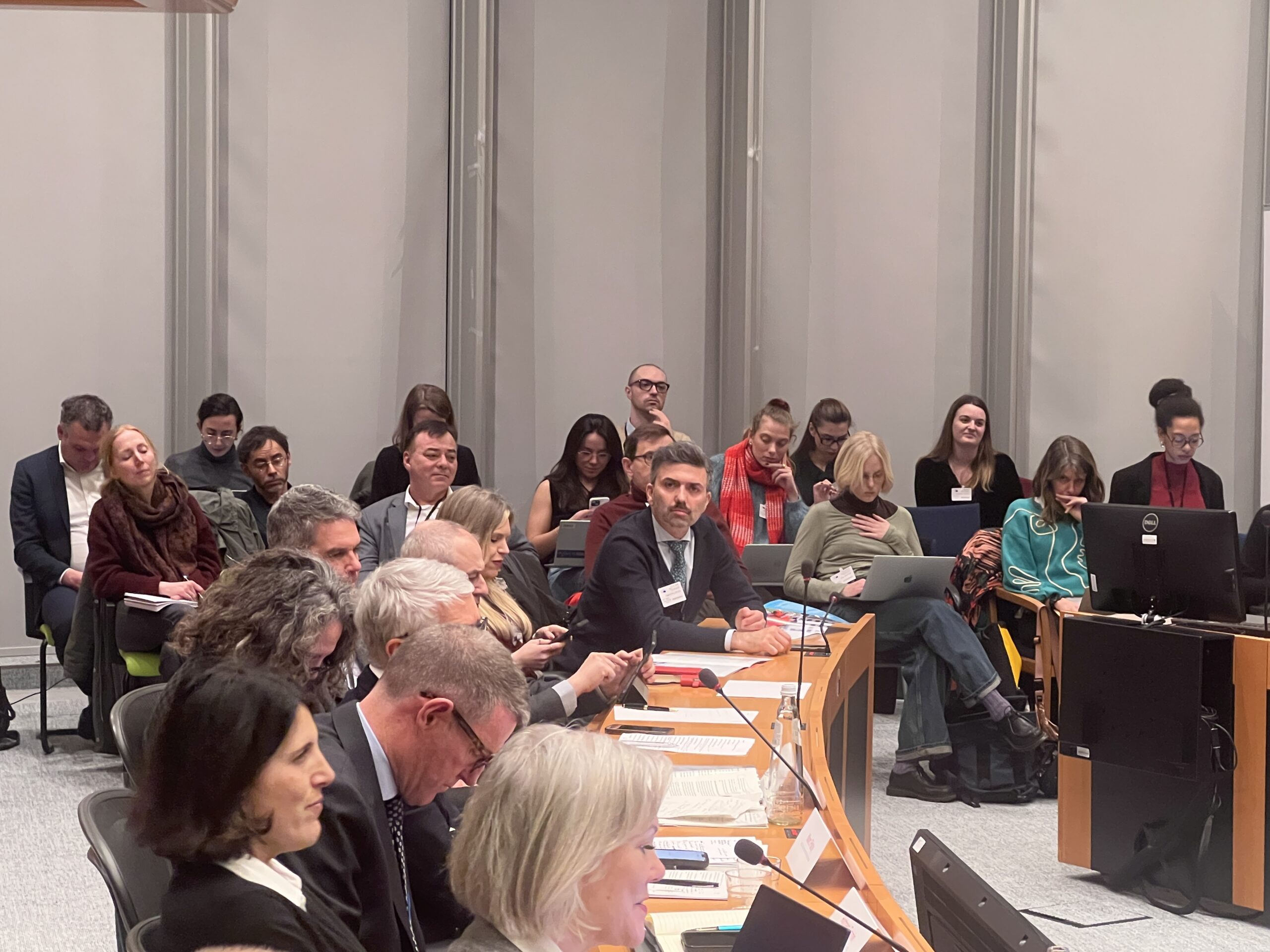
With the EU Affordable Housing Plan now on the table, our debate at the European Parliament (2 February) clearly showed that we need to guide Europe home with substance and public purpose to define our common housing response.
MEP Irene Tinagli (S&D) highlighted the scale of the housing crisis facing working people across Europe, noting that years of diminishing housing policies and reduced investment have, in some countries, even led to a shrinking social housing stock. With the European Parliament set to vote on the housing report in plenary in March, she underlined that cooperation so far has paid off, but now must translate into delivery.
Marco Corradi, President of Housing Europe, insisted that Europe needs to increase housing supply both quantitatively and qualitatively and that this cannot be achieved without confronting speculation head-on. Temporary fixes and fragmented projects will not deliver lasting results. What is needed, he stressed, is a structural and permanent stock of social, cooperative and public housing, capable of stabilising housing systems over time and shielding them from speculative pressures. Without such a backbone, efforts to boost supply risk feeding the very dynamics that are driving prices and rents out of reach.
Affordability must mean something concrete.
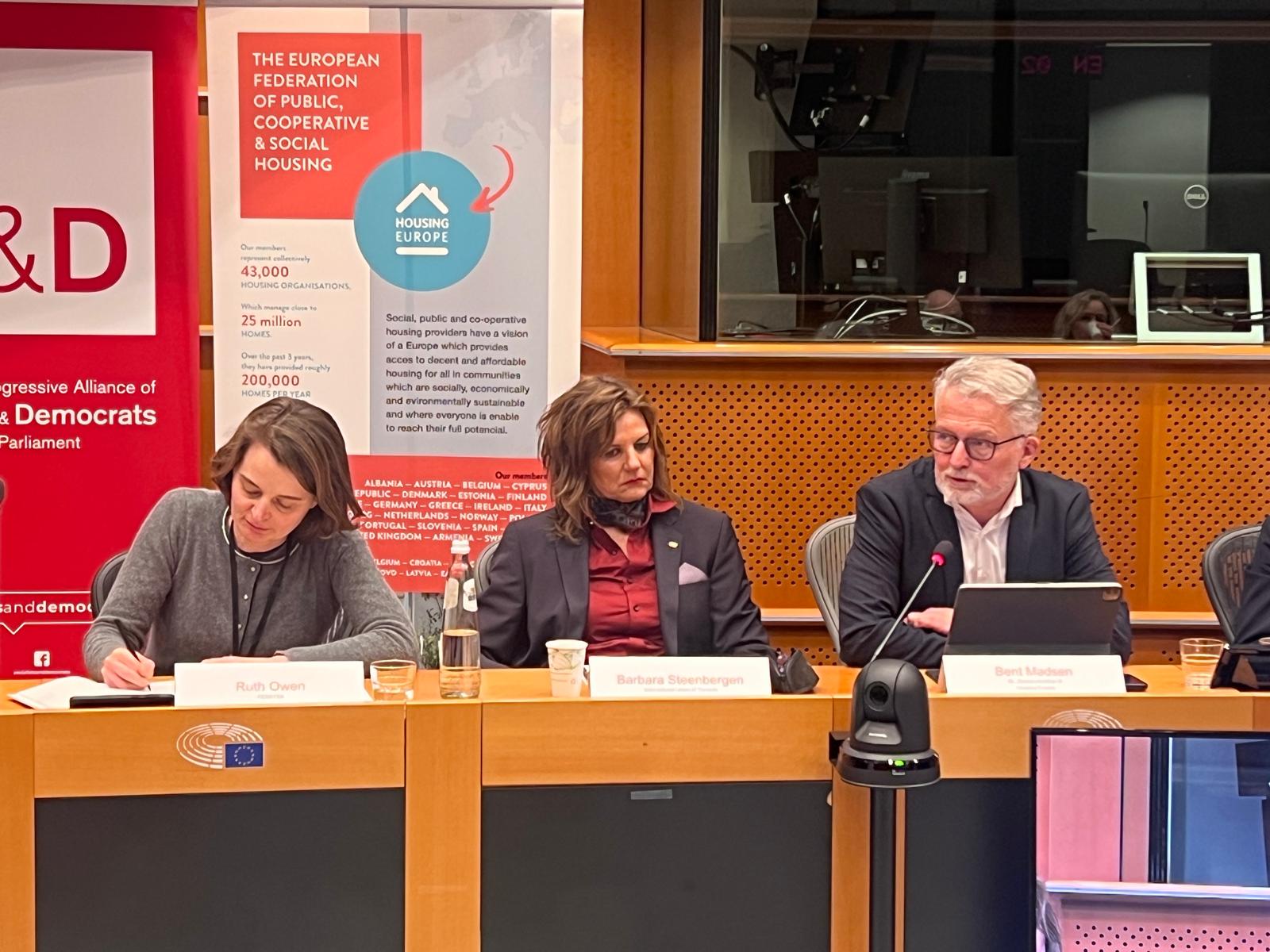
Bent Madsen (BL, Denmark) delivered a key starkest reminder – we are already late. That means Europe must now move faster, but also smarter. With EU funding limited, Bent warned that resources cannot be allowed to “slip through the cracks” or be diluted by speculative dynamics. We always need to redirect funding to closed circuits which means that housing will continuously reinvested into truly affordable homes again, and again, and again.
He also pointed to Europe’s deep demographic shifts – an ageing population, fewer young people, and growing labour shortages. Without affordable housing, young people cannot enter or stay in the labour market, and without workers, Europe cannot deliver the homes, care and services it urgently needs. As Bent put it, Europe needs arms, legs and minds and housing is a precondition for all three.
“Affordable housing” is a slippery concept because all housing can be seen as affordable by someone, warned Ruth Owen (FEANTSA). Without clear substance, the term risks legitimising social washing and market-led solutions that fail those most in need. She regretted the lack of practical depth in the Plan’s fourth pillar and stressed that homelessness cannot be tackled without properly resourced, housing-led approaches. Housing First, she insisted, must move from reference to reality. Her closing message was that the right to adequate housing must be the only compass guiding EU action
Markets alone will not fix what markets helped break was the tenants’ perspective, represented by Barbara Steenbergen (International Union of Tenants (IUT)). She called for social, cooperative and public housing to remain under public control and serve the purpose, as well to end rent profiteering and ensure that long-term rental contracts become the norm. To her, the EU must act as an honest broker for the common good.
More homes, but not at any cost.
At the same time, energy transition can only succeed if it reduces emissions without pushing up living costs for residents.
To achieve this, EU energy legislation – notably the EPBD, EED and RED – must promote the most cost-effective decarbonisation pathways, striking a balance between energy efficiency and renewable energy while preserving an affordable overall cost of living.
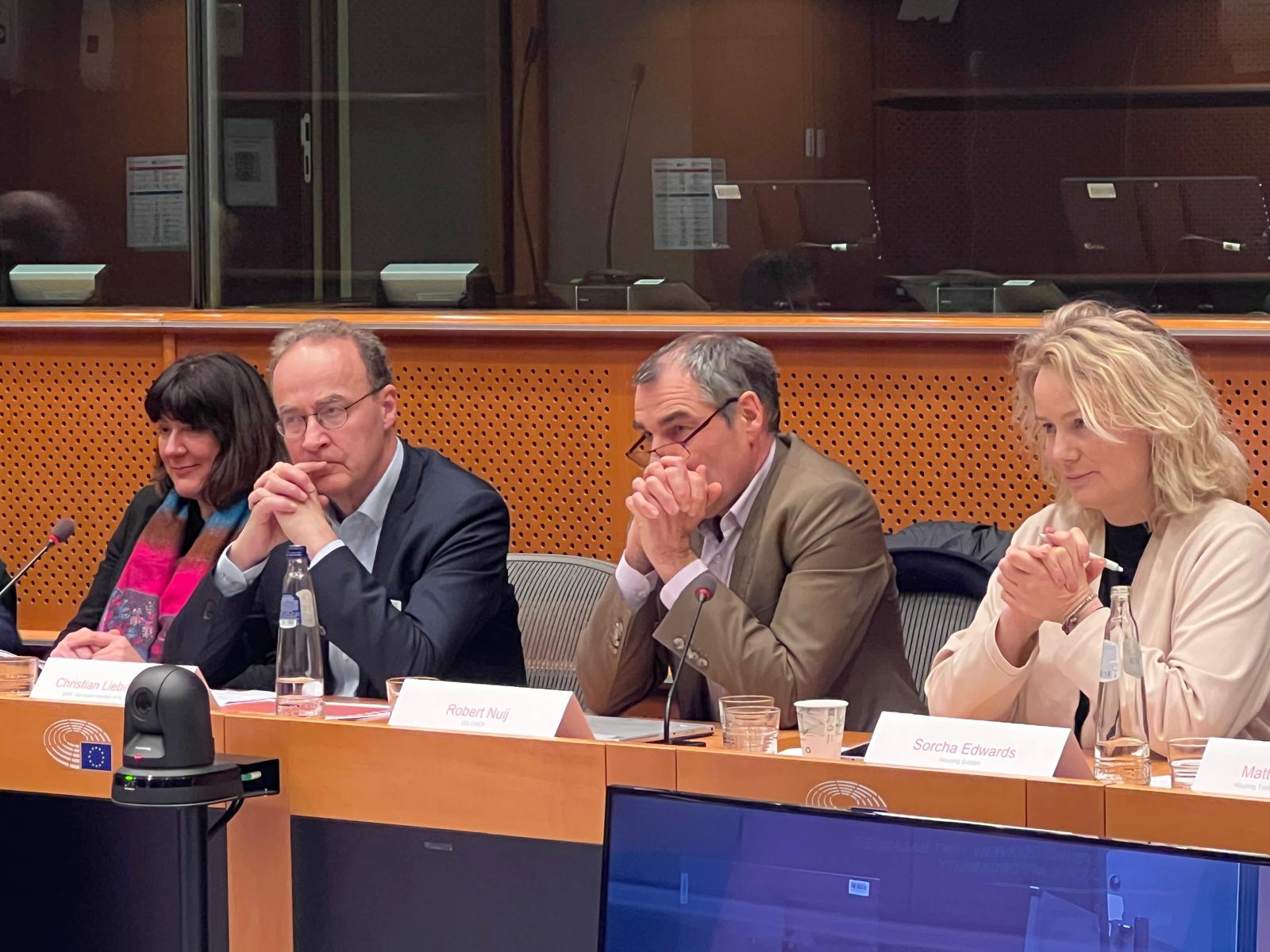
As Christian Lieberknecht (GdW) underlined, implementation is urgent. The Fit for Housing Scan must be rolled out without delay and embedded in the Housing Simplification package, with housing needs recognised as an overriding principle of general interest across sectoral legislation that affects delivery costs, including environmental frameworks. Rising construction costs cannot be absorbed through EU or national subsidies alone, making regulatory coherence and simplification essential.
Facilitating energy communities, self-consumption and the right to energy sharing, as part of the Energy Communities Action Plan, can increase access to clean energy and significantly reduce energy poverty. This requires adequate and predictable resources, including a Social Climate Fund that is sufficiently funded and clearly geared towards the decarbonisation of public, cooperative and social housing.
Boosting supply also requires smarter procurement and stronger cooperation with the supply chain. Aggregating demand for construction and renovation can help deliver affordable, high-quality solutions at scale. At the same time, public, cooperative and social housing providers need technical and financial support, as well as reliable data, to convert and manage empty dwellings and quickly expand the stock of affordable homes.
From the Commission’s perspective, Robert Nuij (DG ENER) stressed that sustainability and affordability must go hand in hand. Too often, the burden is increased by uneven national transposition of EU rules. Moving forward, the focus must shift from drafting plans to practical implementation, with greater exchange of best practices between Member States. As he noted, quick wins are possible if knowledge and solutions are shared more effectively.
Investment must deliver public value.
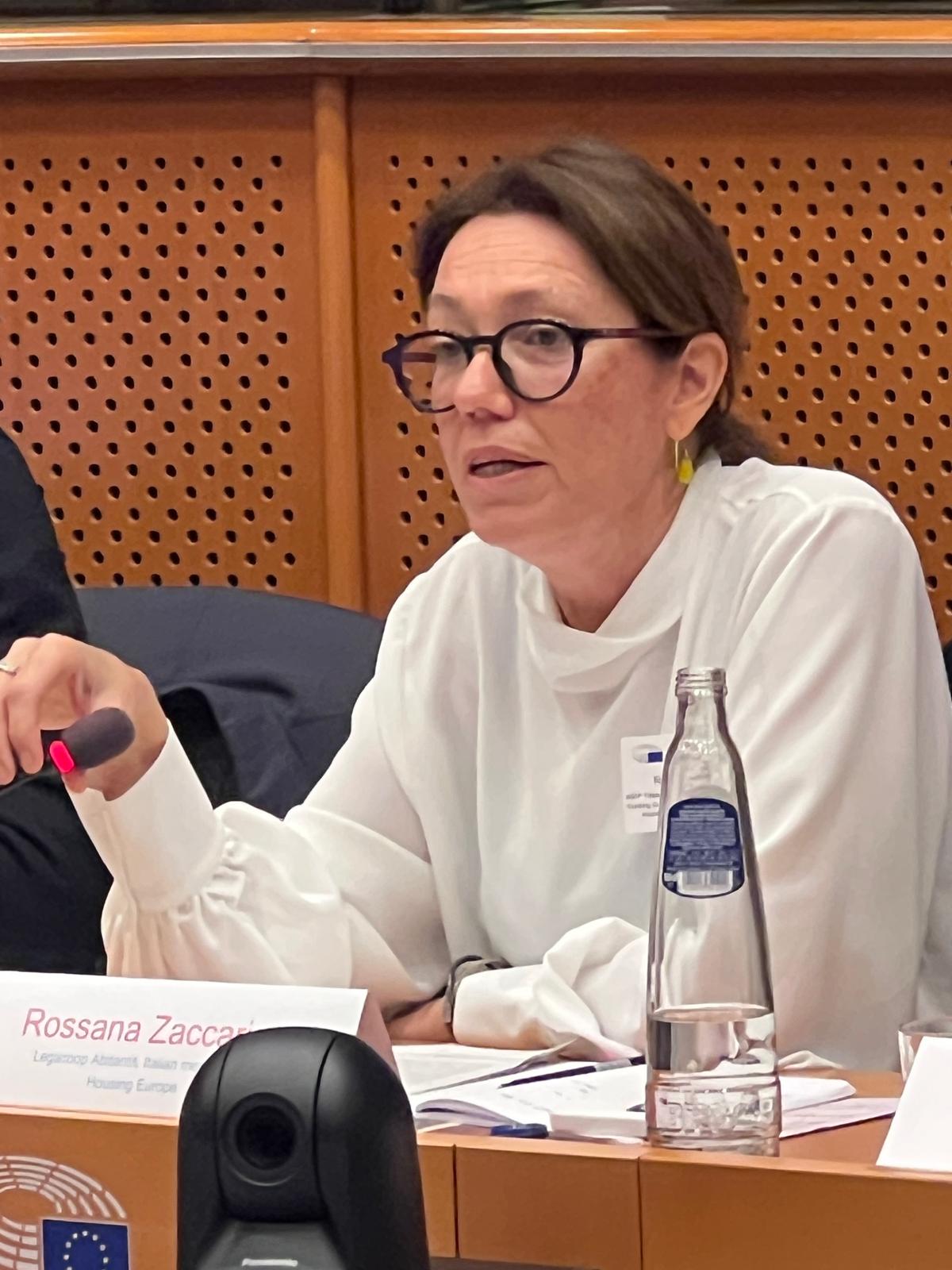
The question is no longer whether the Plan exists, but how it will be implemented, Rossana Zaccaria (Legacoop) stressed. She challenged the assumption that the same market actors who contributed to the crisis should now be expected to solve it, and set out firm conditions – earmarked Cohesion Policy funding, strong grant components, a pan-European investment platform, exclusion of short-term profit, EU guarantees for less bankable projects, and peer-to-peer exchange of proven non-profit financing models.
Mikko Aaltonen (Tampere City Council, Committee of the Regions) reinforced the need for strong public authority leadership, off-balance-sheet treatment of public investment, and direct dialogue between cities and the EU. More housing is needed, he said, but without sacrificing quality, transport connections or social mix. He also reminded how we should not take anything for granted as just a government switch in his homeland, Finland has managed to dismantle years of investment in social and affordable housing.
From the financing side, Antonio Bandrés Cajal (ICO / ELTI) described housing as strategic infrastructure. While housing itself is not inherently complex, delivery becomes difficult due to permitting, industrialisation gaps and financing constraints, making blending, guarantees and public leadership essential.
Driving housing reforms at EU level must go hand in hand with enabling immediate, practical action on the ground.
Many stressed that reforms will only be credible if they address the structural drivers of the crisis while respecting national and local competences.
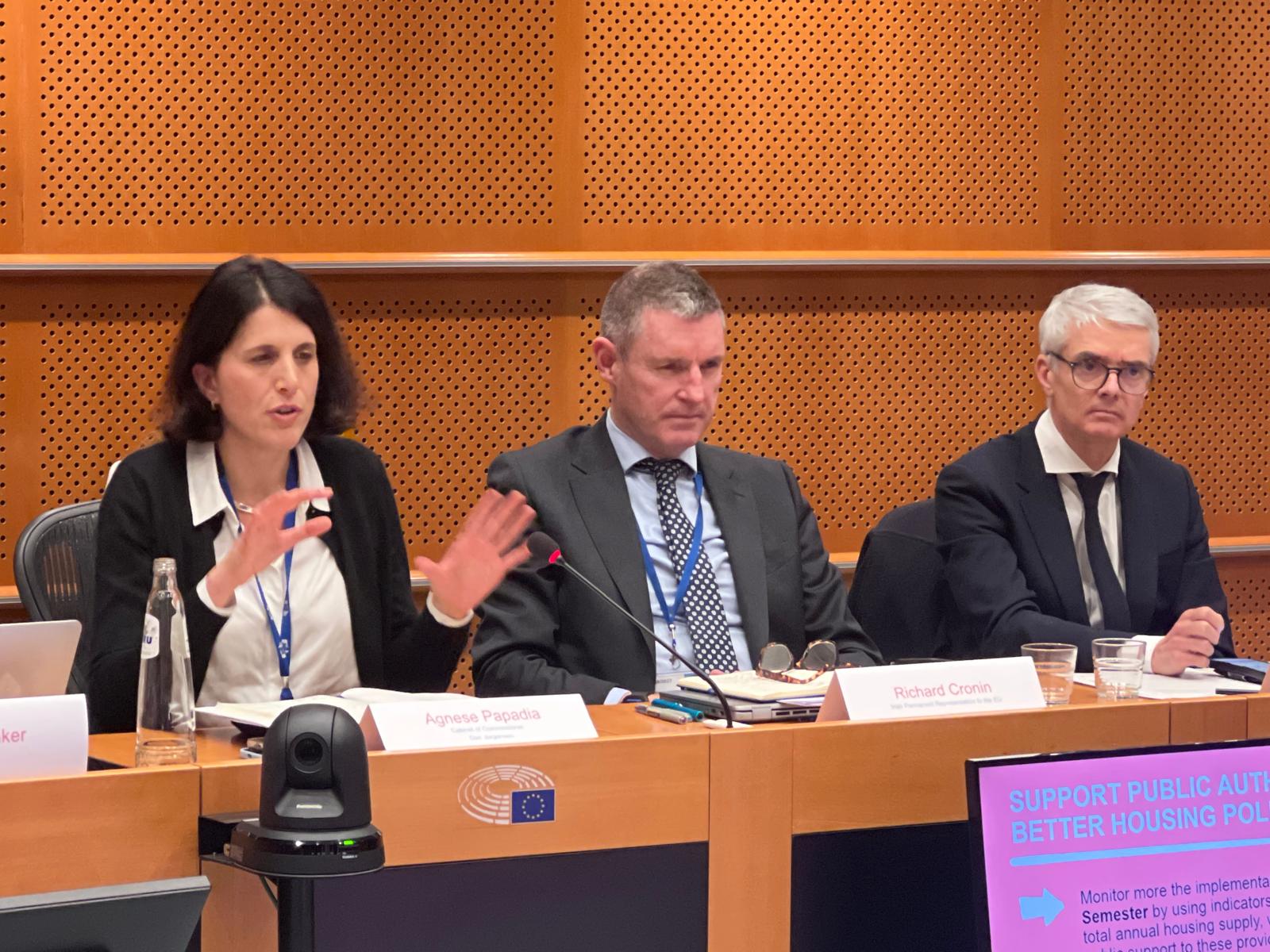
From the Commission’s side, Agnese Papadia (Cabinet of Commissioner Dan Jørgensen) identified three main sources of housing speculation – sustained excess demand, the expansion of short-term rentals, and direct speculative behaviour. Addressing these drivers together is essential. She highlighted ongoing work to improve data access, transparency and analytical capacity for public authorities to understand stress areas. Taxation, social housing and regulatory simplification were identified as key reform areas where Member States need clearer guidance and support.
Marc Patay (L’Union sociale pour l’habitat) stressed that housing must be recognised as a fundamental objective of general interest, and that reforms should fully respect Member State competences. While supporting ambitious decarbonisation goals, he emphasised that housing actors must be fully involved in European governance processes. The EU, he argued, should take inspiration from existing public and non-profit housing models and actively preserve them, rather than unintentionally weakening them through regulatory choices.
From the local authority perspective, Mar Jiménez (Barcelona City Council) underlined that housing is now undeniably a European concern, not only for competitiveness, but also for social mobility, democracy and the credibility of the European project itself. While welcoming the Plan’s recognition of a market failure and its explicit reference to speculation, she cautioned against focusing too narrowly on short-term rentals alone. Structural reforms must go further, be properly financed, and be closely monitored in practice, while preserving local autonomy and cities’ capacity to act.
From a Member State perspective, Richard Cronin (Permanent Representation of Ireland to the EU) highlighted that those who benefitted from the housing crisis could be the ones fixing it now. For the upcoming EU Irish Presidency this year, the Affordable Housing Act and construction services will be in focus.
Mind the fox
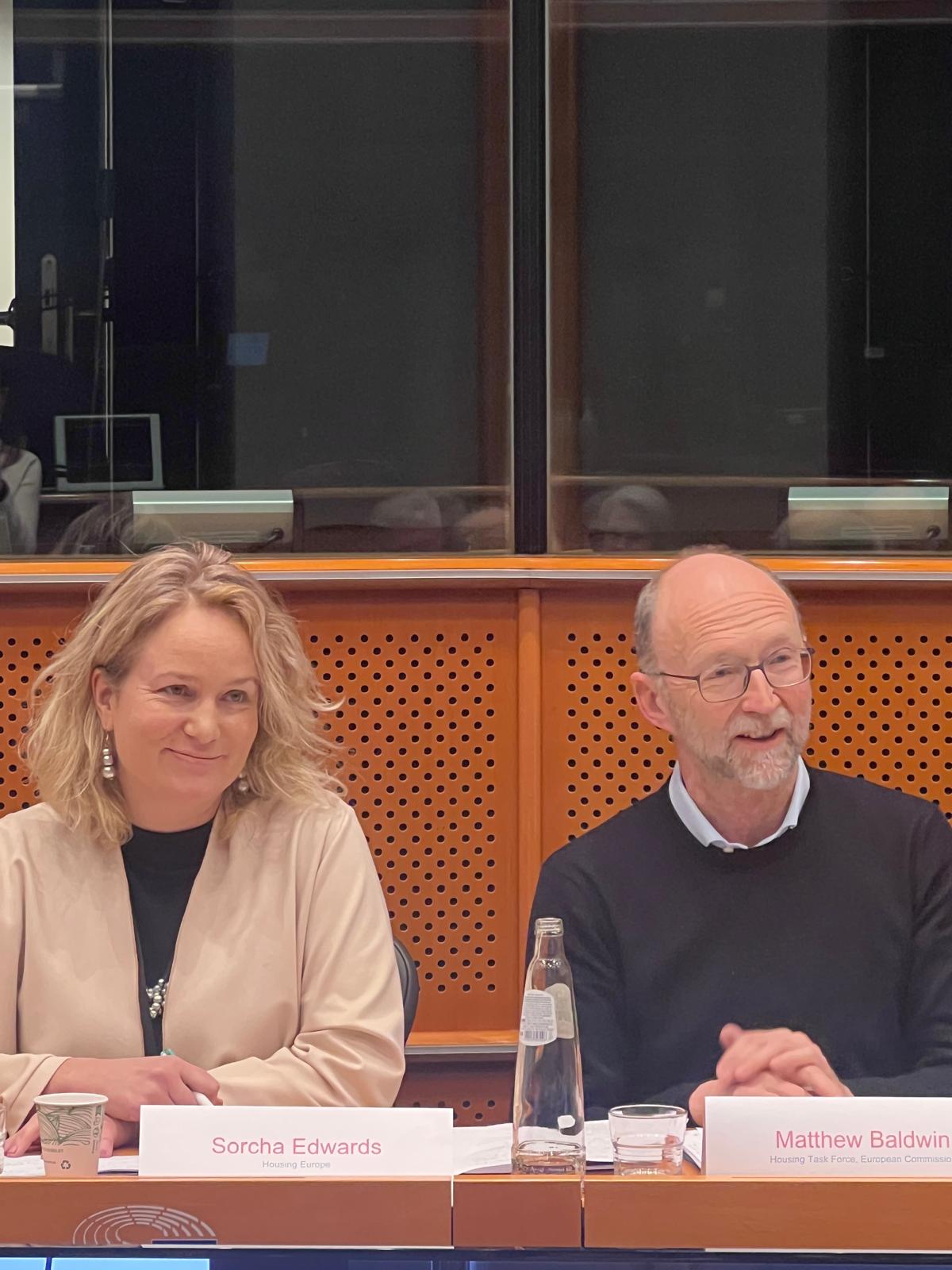
Matthew Baldwin (European Commission Housing Task Force) acknowledged that the Plan is a starting point, not an endpoint, insisting on the importance of building knowledge together and using upcoming ministerial meetings and the Housing Summit to move from plans to practice.
As Housing Europe’s Secretary-General, Sorcha Edwards, concluded, housing is one of the most tangible ways people experience Europe and it is essential to push policy in the right direction while being able to recognise “the fox” – those who would leave housing exclusively to market forces. Whether the EU Affordable Housing Plan delivers real homes rather than financial assets will shape not only housing outcomes, but trust in the EU and in democracy itself. As she underlined, Europe’s social fabric is unique and it must be preserved.