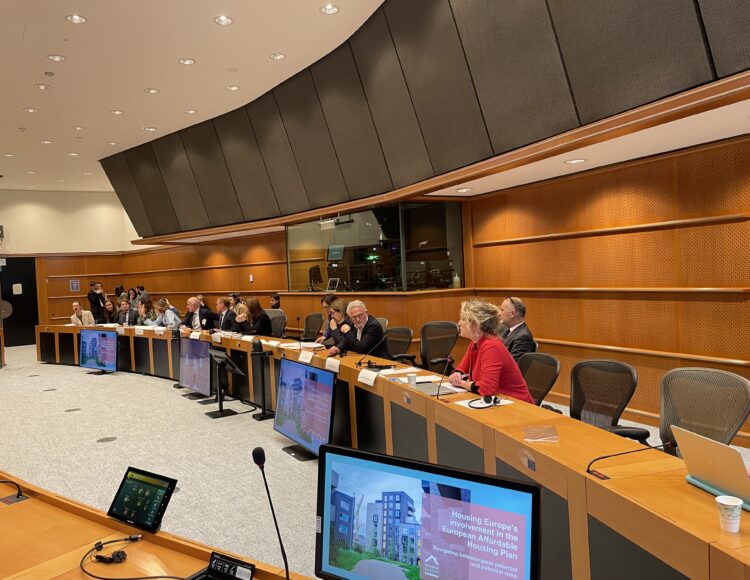
At the European Parliament this week, one thing became clear: the housing crisis is no longer only a social issue. It is an economic one, shaping labour markets, productivity and the ability of cities and regions to function.
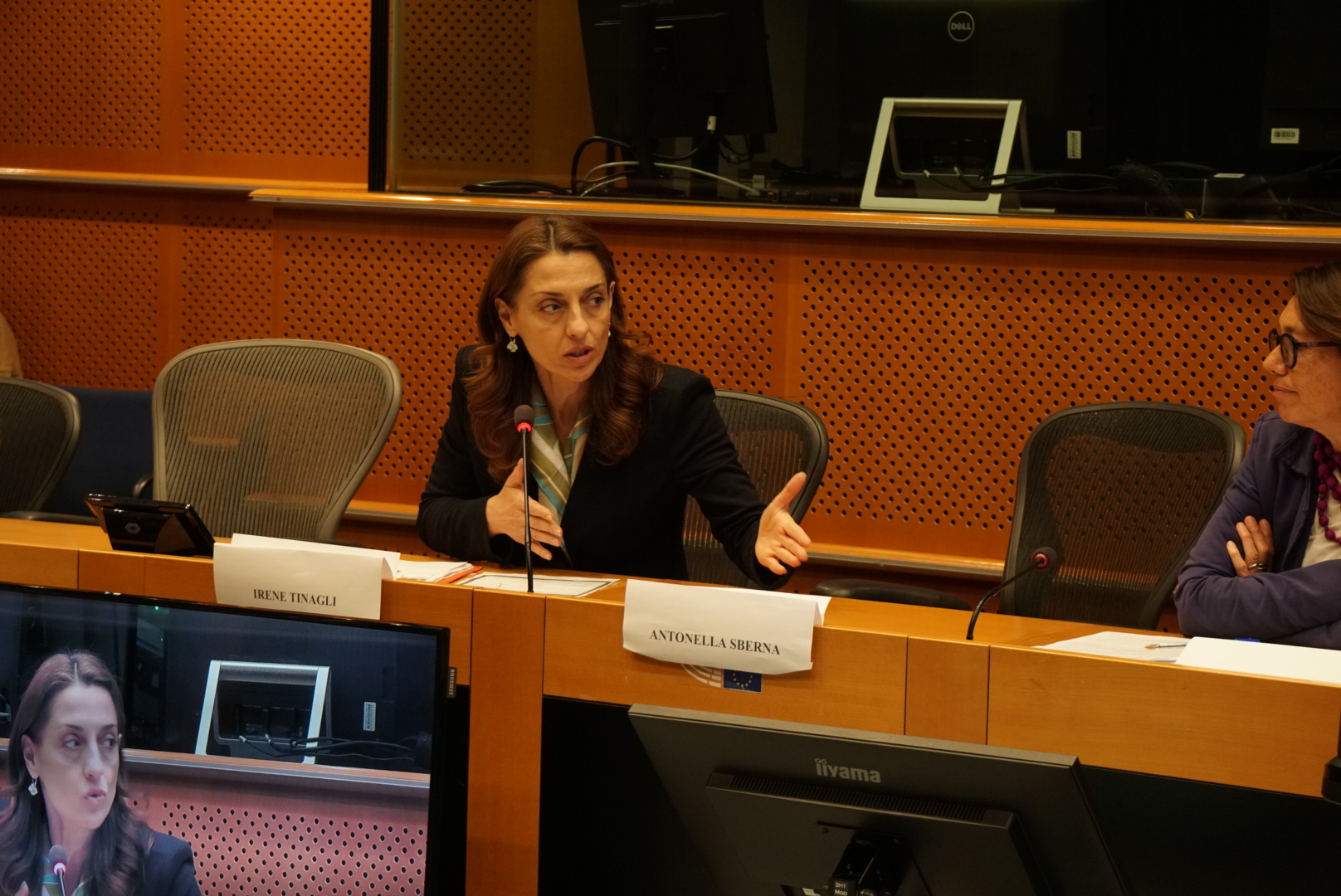
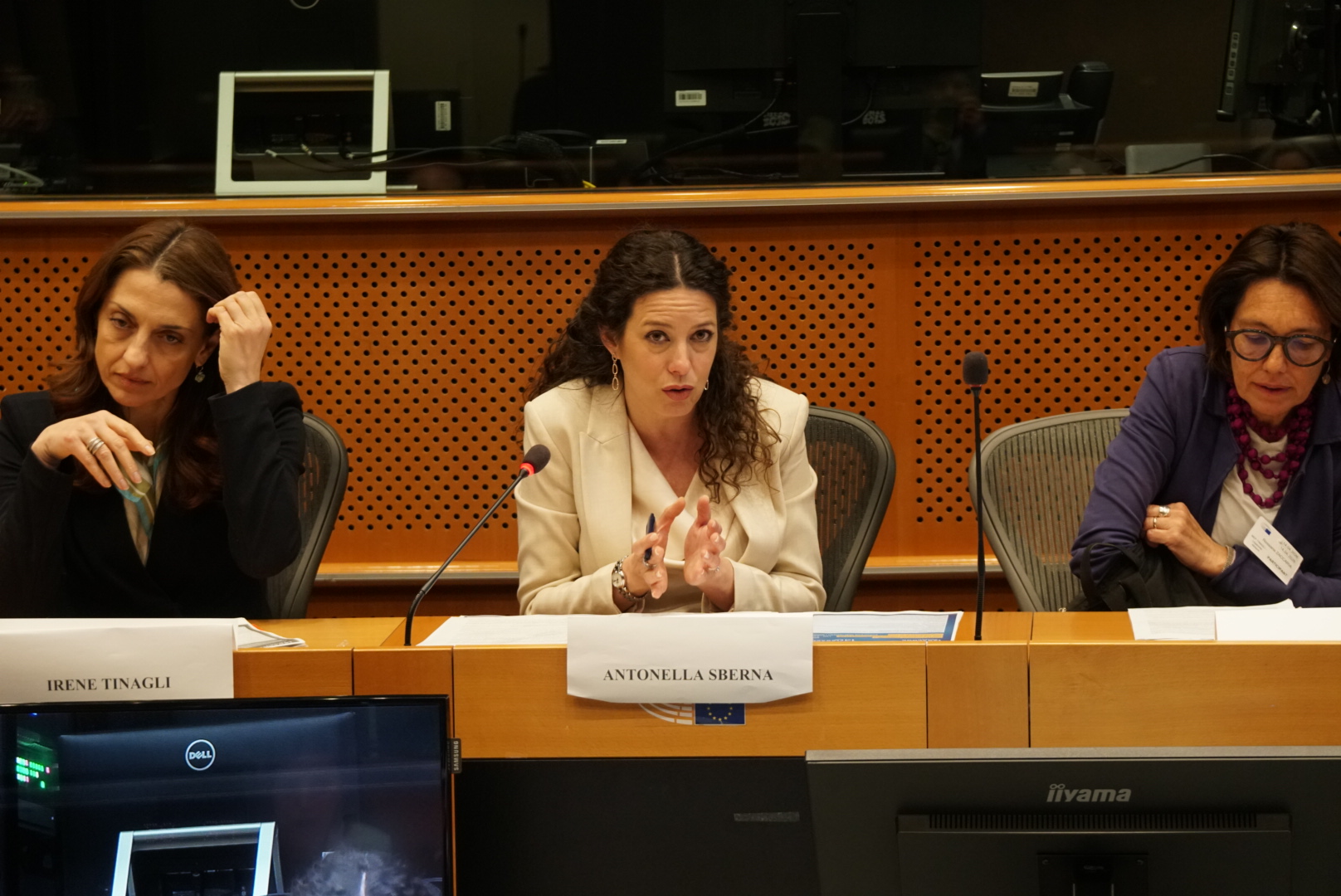
As highlighted by Irene Tinagli, Chair of the European Parliament’s Special Committee on the Housing Crisis, addressing the crisis requires reconciling economic sustainability with a clear social objective. Housing is no longer a marginal concern, but a structural condition for development and competitiveness.
In parallel, Antonella Sberna, Vice-President of the European Parliament underlined the role of the European Union in providing a common framework and tools, while allowing solutions to be adapted to different national and local contexts. In this perspective, cooperative housing emerges as a practical and non-ideological response, capable of bridging policy ambition and local realities.
A decisive moment for European housing policy
At the initiative of Legacoop Abitanti, represented by its President Rossana Zaccaria, and with the presence of Italian cooperators, the discussion took place at a crucial moment, as discussions on the next EU budget intensify.
Member of the European Parliament Brando Benifei stressed that without dedicated or safeguarded resources, housing risks remaining a priority in words rather than in practice. The issue is no longer whether investment is needed, but how it is structured, and whether it can deliver lasting impact.
From the European Commission side, Francesco Amodeo of the Housing Taskforce highlighted that the European Affordable Housing Plan, developed through extensive consultation, has received broad support from Member States, cities and stakeholders, and is now entering a crucial implementation phase. The focus is on increasing supply, mobilising investment and strengthening cooperation across governance levels. He also mentioned the complexity of aligning European, national and local actors around a shared delivery framework.
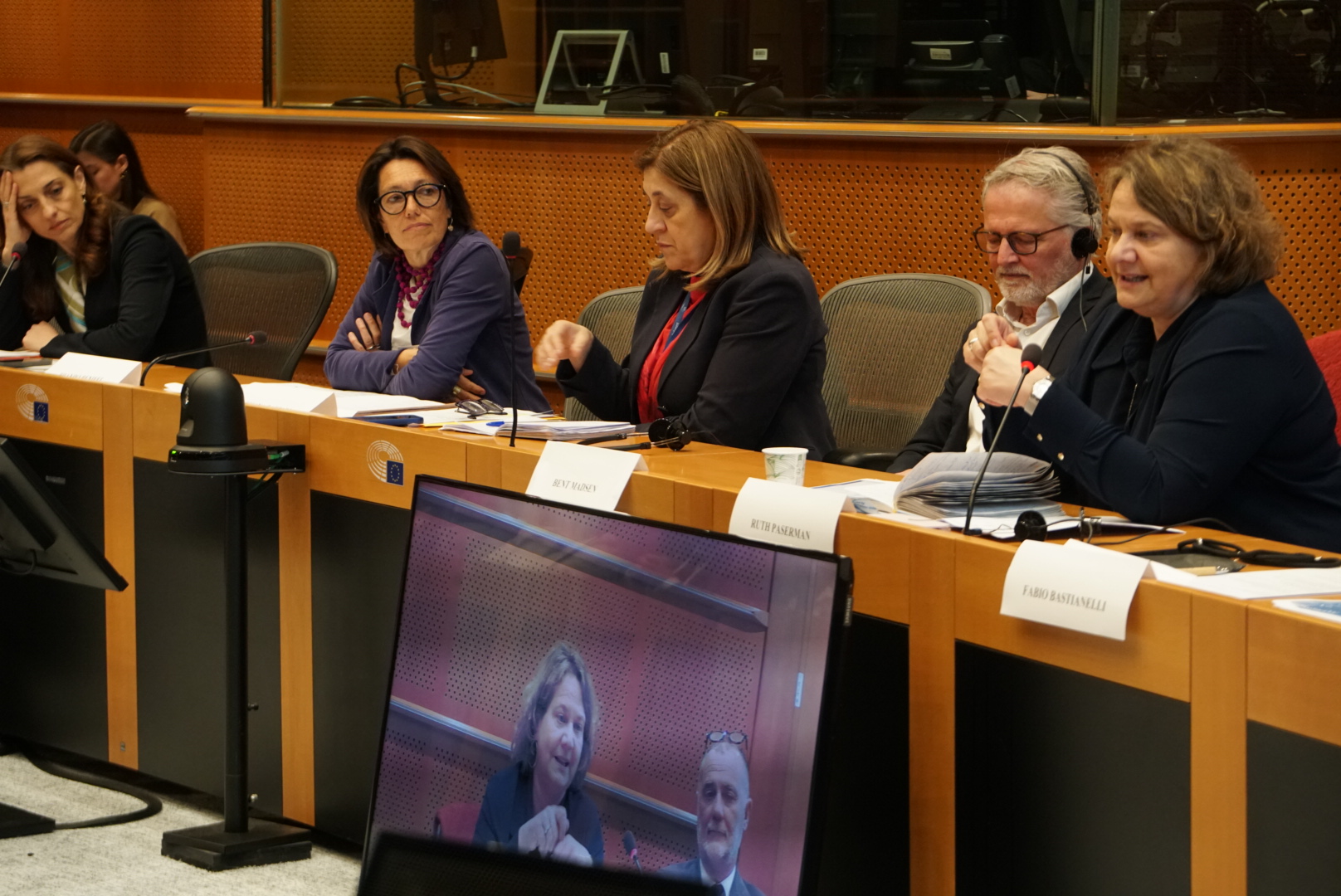
As noted by Ruth Paserman, from the DG for Employment, Social Affairs and Inclusion, ensuring affordability goes beyond construction. Without proper integration, investments risk creating “cathedrals in the desert”, projects disconnected from infrastructure, services and communities.
From policy to practice: the role of cooperatives
While the policy framework is taking shape, the discussion repeatedly returned to one point: solutions already exist.
Examples from across Europe, from Italy to Denmark, demonstrate that cooperative and limited-profit housing can deliver long-term affordability at scale. As illustrated by Bent Madsen, revolving fund models and long-term reinvestment mechanisms can sustain housing systems over time, supporting both new construction and the continuous improvement of existing stock, with the Danish model covering around 20% of the housing stock and reinvesting close to 60% of its surpluses back into the sector.
The challenge, however, lies in moving from fragmented local successes to systemic deployment.
This was clearly reflected in the questions raised by cooperators present in the room:
How can EU funding better support long-term affordability, rather than short-term construction outputs?
How can private capital be mobilised without compromising the social objective of housing?
How can successful local models be scaled and embedded into national and European frameworks?
Aligning investment with long-term outcomes
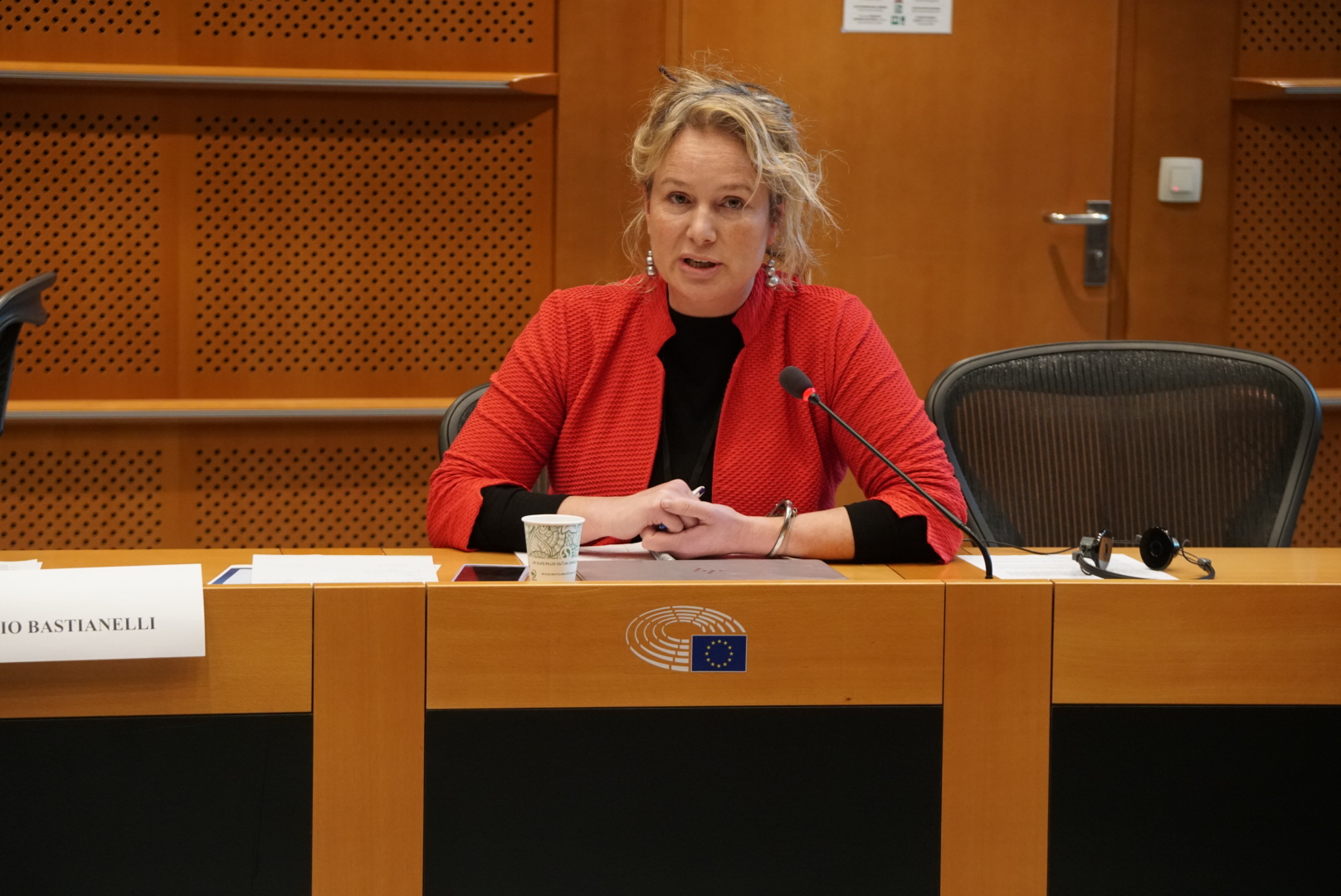
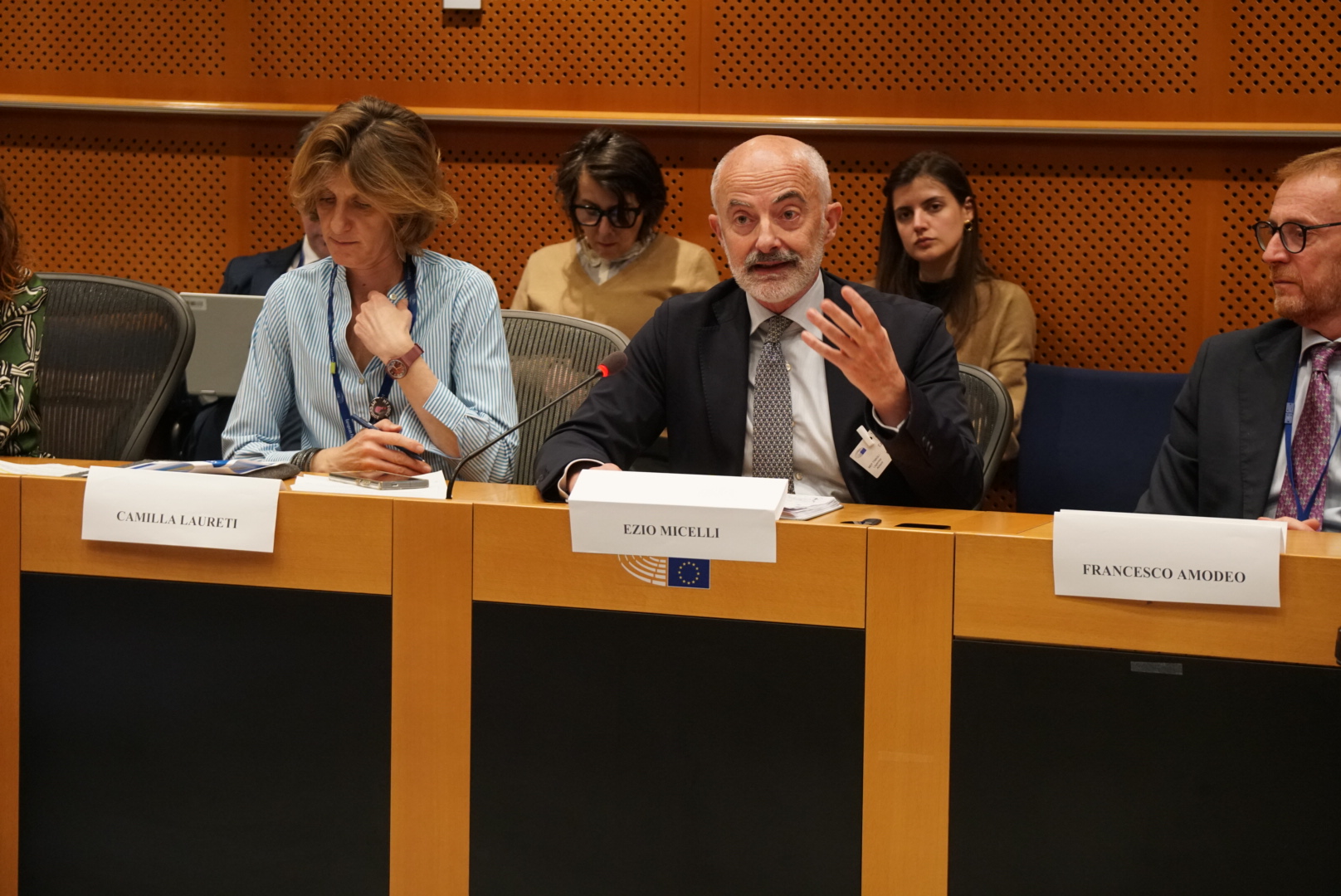
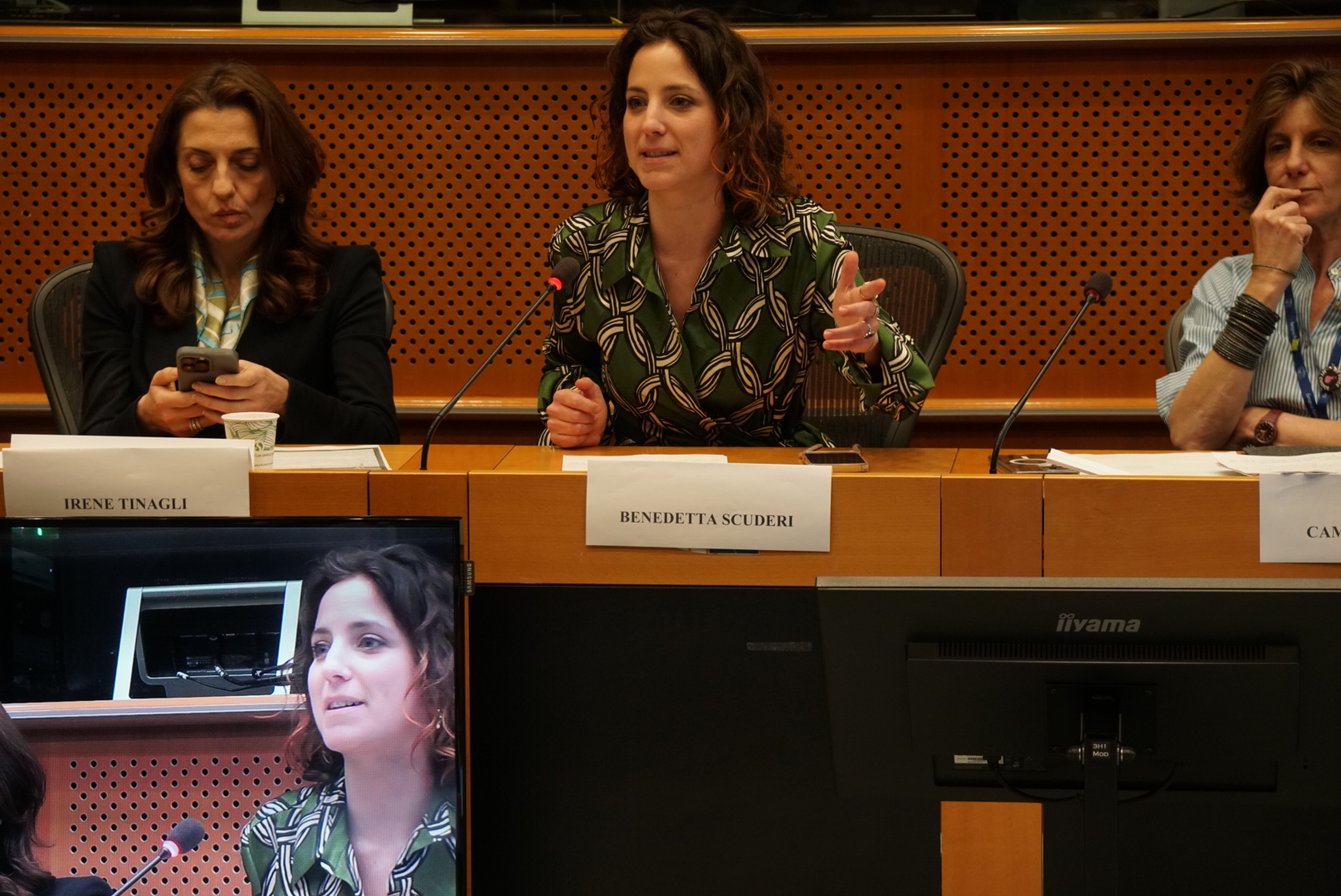
Responding to these concerns, Members of the European Parliament Camilla Laureti and Benedetta Scuderi emphasised the need to better align public and private efforts, while ensuring that affordability remains at the core of housing policies.
They pointed in particular to the importance of integration—across sectors, territories and policy levels—and to the need to ensure that investment supports models capable of addressing the needs of both vulnerable and middle-income groups.
This reinforces a broader message emerging from the discussion: funding alone will not solve the housing crisis.
As underlined by Ezio Micelli, housing should not be approached as a commodity, but as a way of building and shaping cities. This requires financial models that maximise social value over time, rather than short-term returns.
A necessary shift in paradigm
As emphasised by Sorcha Edwards, Secretary General of Housing Europe, the housing crisis we are facing today is not accidental, it is the result of a system that has allowed value to be extracted from housing, instead of reinvested in it.
Addressing it therefore requires more than incremental adjustments.
It calls for a clear shift in paradigm: investing in housing in a way that ensures value is retained, reinvested and protected over time. This means placing public, cooperative and social housing at the core, and designing funding frameworks with strong conditionalities to guarantee real affordability.
It also means building on Europe’s existing strengths. With a long-standing tradition of cooperative and limited-profit housing, the continent already has the foundations for a more resilient and inclusive housing system—one that combines economic sustainability with social impact. This builds on a strong existing base, with over 43,000 housing cooperatives providing homes to more than 15 million people across Europe.
From discussion to delivery
At a time of competing priorities in the next EU budget, housing is becoming a real test of how Europe connects policy, investment and practice to deliver for its citizens.
The discussions in the European Parliament this week showed that the political recognition is there, the tools are being developed, and the models already exist.
The challenge now is to bring them together—at scale, and with the right safeguards—to ensure that housing can fulfil its role as both a social foundation and an economic driver for Europe’s future.