This project was a winner in the European Responsible Housing Awards 2025 under the ‘Building strategic alliances, fostering community participation’, organised by Housing Europe, the International Union of Tenants and DELPHIS.
Organisation: MatosinhosHabit- MH, Empresa Municipal de Habitação de Matosinhos, EM
Goals
The “Entry Manager” initiative aims to optimize the administration and management of common areas within Matosinhos’ Municipal Housing Complexes by encouraging active resident participation and proximity governance. A key feature of the project is the election of resident representatives—Entrance Managers—who serve as vital links between the community and MatosinhosHabit, fostering ongoing communication and collaboration. Objectives include:
- Encouraging shared responsibility and collaboration in managing common spaces.
- Enhancing residents’ sense of belonging and neighbourhood cohesion.
- Improving communication channels between residents and MatosinhosHabit.
- Increasing community safety, autonomy, and social inclusion.
- Equipping residents with critical skills in conflict mediation, digital literacy, and sustainability.
Context
The Entry Manager project was initiated in August 2022 following an assessment that identified key challenges in Matosinhos’ public housing, such as poor maintenance of common areas, ineffective communication, and limited resident participation. Targeting the most vulnerable neighbourhoods, MatosinhosHabit developed a tailored strategy promoting civic engagement and collaborative governance, empowering residents as proactive agents in improving their communities.
What is innovative about this project?
The project introduces a unique proximity management approach, establishing a two-way communication circuit between MatosinhosHabit and residents. An innovative aspect is integrating elected Entry Managers into the Local Housing Council, giving residents a direct influence on municipal housing policies. Additionally, the project employs a dedicated monitoring team (two social technicians and one maintenance technician) working directly with Entry Managers to ensure rapid response and support. This participatory and tailored strategy enables residents to develop autonomy, digital capabilities, and meaningful community relationships.
Interventions
- Community engagement:
- Listening sessions and problem identification.
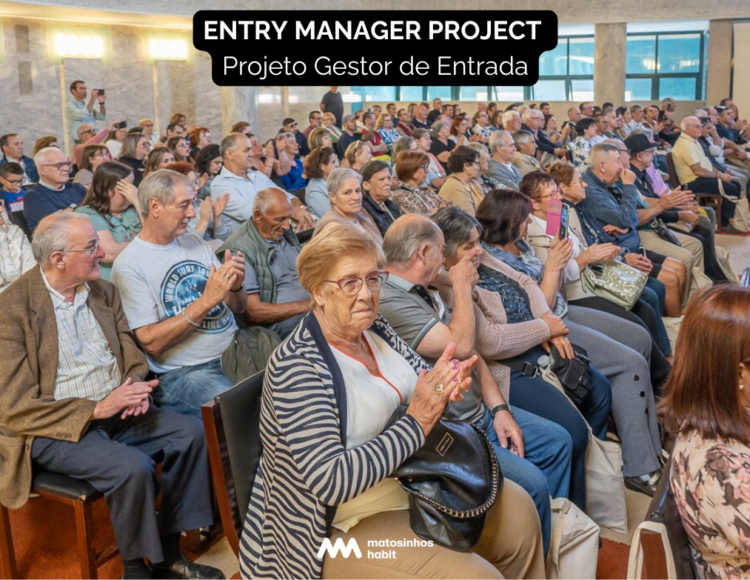
- Community meetings and structured resident assemblies.
- Regular Entry Managers’ Assembly for joint decision-making.
- Democratic representation:
- Election of Entry Managers to represent and mediate resident interests.
- Capacity building:
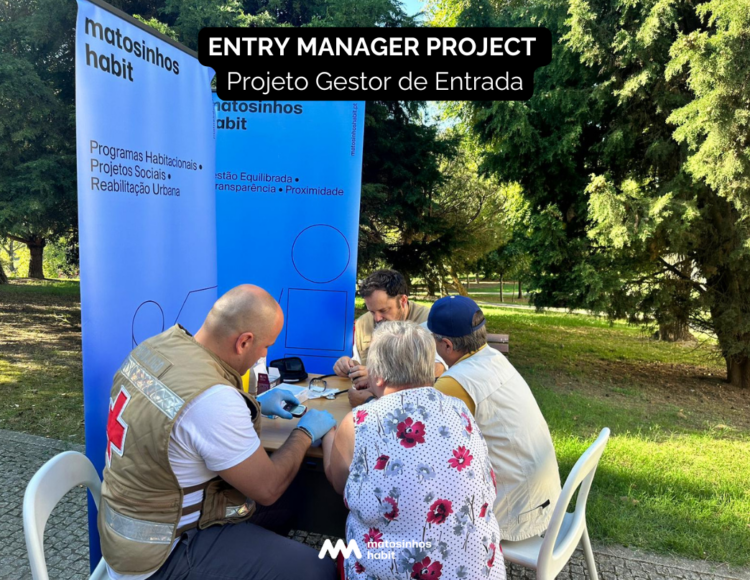
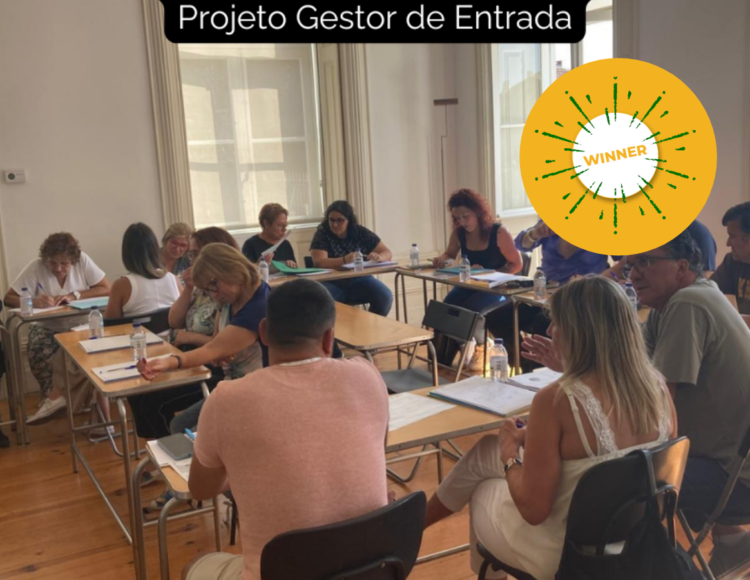
- Training in conflict mediation, digital skills, sustainability, gender equality, first aid, fraud prevention, and fire safety.
- Communication tools:
- Direct communication channels (phone, email).
- On-site technician support and public notice boards for relevant updates.
- Knowledge resources:
- Resident’s Manual detailing best practices.
- SIGA II digital platform for issue reporting and monitoring.
- Monitoring and evaluation:
- Continuous feedback loops, participation metrics, and satisfaction surveys.
- Regular review meetings to adjust strategies based on resident input.
- Community-building events:
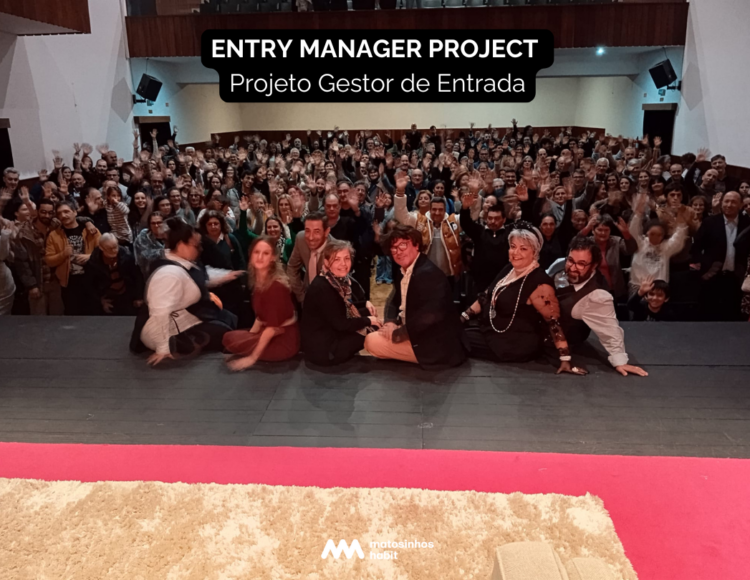
- Recreational and cultural events, including the annual Entry Managers’ Assembly, theatre performances, and community gatherings.
Impact
- Implementation in 33 out of 51 municipal housing complexes.
- 491 resident meetings involving 1,865 families.
- 224 Entry Managers elected.
- Enhanced resident involvement and shared responsibility in common space management.
- Strengthened neighbourhood relations and community cohesion.
- Improved transparency and communication with MatosinhosHabit.
- Increased safety and overall quality of life in public housing areas.
- Residents acquired valuable skills in citizenship, digital literacy, and conflict management.
- Scalable and adaptable model for collaborative housing management in different contexts.
Lessons learned
- The jury valued the project’s strong emphasis on communication, resident empowerment, and practical training.
- By involving residents in both day-to-day management and local housing policy, it builds trust and community ownership
. - It’s a thoughtful, replicable model that delivers clear social impact.