This project was a finalist in the European Responsible Housing Awards 2025 under the ‘Management excellence for housing affordability’, organised by Housing Europe, the International Union of Tenants and DELPHIS.
Organisations: SIR – Salzburger Institut für Raumordnung und Wohnen
Goals
The Wir inHAUSer project in Salzburg demonstrates how the goals of climate protection and affordable housing can be successfully combined within a single housing initiative. Its primary aim is to transform an existing residential complex into a CO₂-neutral and socially inclusive living space by switching to 100% renewable energy, reducing operational emissions, and increasing housing capacity through sustainable densification.
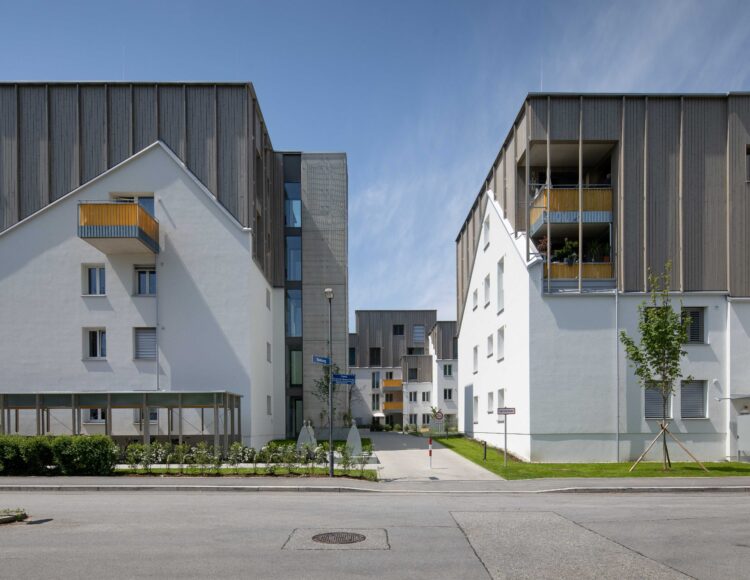
By upgrading the energy system, modernizing building envelopes, and introducing alternative mobility solutions, the project reduces environmental impact while ensuring low-cost, high-quality housing for low-income and vulnerable groups. It delivers 24 additional housing units—growing the total from 75 to 99 apartments—without expanding the site footprint.
Context
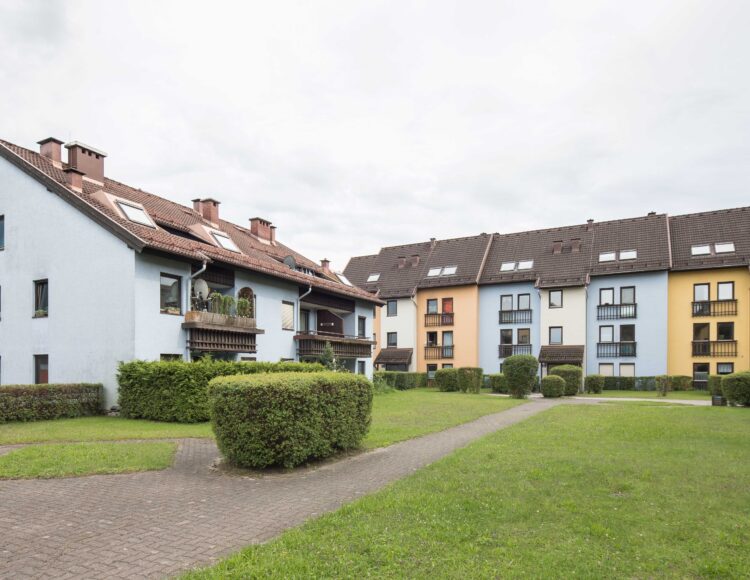
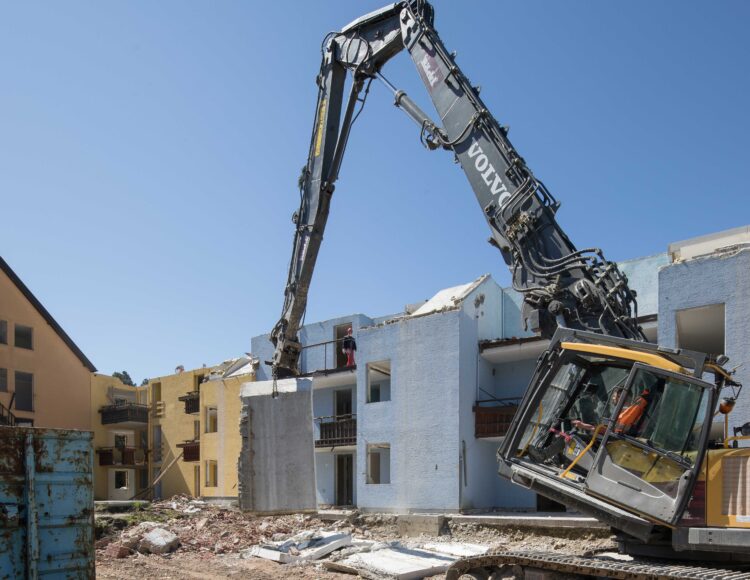
Rather than demolishing the aging residential complex, the project team pursued a climate-conscious and cost-effective renovation strategy. This included vertical timber extensions insulated with ecological cellulose and a comprehensive energy concept. One of the most striking technical achievements is the installation of a wastewater heat recovery system, implemented at this scale for the first time in Europe, enabling heat to be reused from wastewater and exhaust air—essentially turning waste into energy.
The project also addresses social needs: 150 existing residents had to be temporarily rehoused during construction, and ensuring affordability post-renovation was a central consideration. Thanks to Austria’s non-profit housing model and public subsidies, rents in the refurbished complex are now approximately 50% below market levels.
The initiative also reflects broader urban development goals. It aligns with the Paris Climate Agreement and contributes to compact, climate-resilient city planning by increasing housing supply without additional land consumption.
What is innovative about this project?
The project’s innovations lie in its integrated approach to climate neutrality, affordability, and participatory planning. Key technical solutions include the use of renewable energy sources, cellulose-insulated timber construction, modular low-carbon facades, and Europe’s first large-scale use of wastewater heat recovery in social housing.
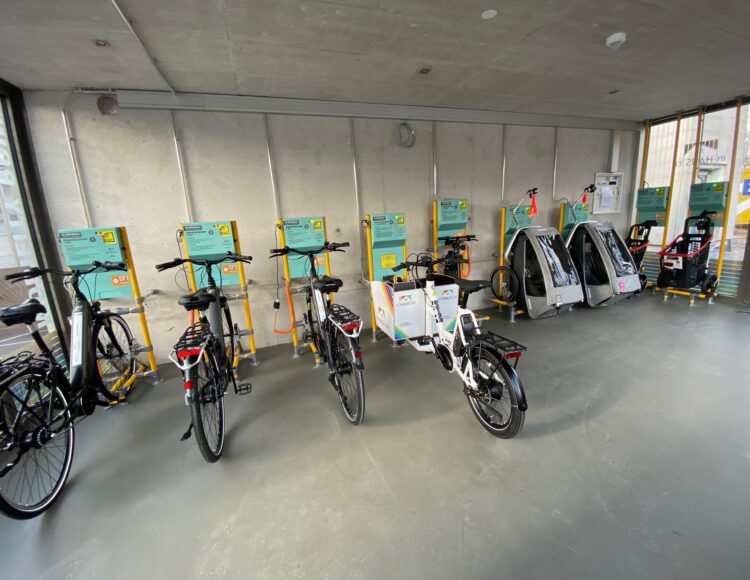
The energy concept reclaims heat that would normally be lost, closing a critical gap in energy efficiency. This local energy loop reduces both emissions and heating costs. In addition, a “Mobility Point” was created on-site, giving residents access to e-bikes, cargo bikes, car-sharing, and electric vehicle charging—contributing further to emission reduction.
From the outset, the project emphasized community engagement. Residents were involved in planning through workshops and consultation events, helping to shape the design and improve local acceptance. Apartment allocation was carried out by the City of Salzburg using social criteria, ensuring that housing remained accessible to low-income and priority groups.
Interventions
The success of Wir inHAUSer relied on a multi-pronged toolkit combining technical, environmental, and social planning strategies. A detailed energy assessment was carried out to evaluate operational and embodied energy impacts, shaping the use of renewable systems and insulation materials.
Design measures such as vertical extensions, modular facades, and heat-recovery installations were planned to maximize sustainability while preserving existing structures. To ensure social acceptance and cohesion, a participatory planning process engaged residents early, with ongoing dialogue to adapt implementation to community needs.
Mobility planning was also integrated from the start. The “Mobility Point” serves as a hub for sustainable transport options and supports long-term behavioral change among tenants by reducing dependency on private vehicles.
Impact
- Housing capacity increased from 75 to 99 apartments through vertical timber extensions
- 150 residents successfully relocated and reintegrated during renovation
- Rents maintained at around 50% below market rate due to non-profit housing model and subsidies
- Buildings powered by 100% renewable energy, fully replacing fossil gas systems
- Wastewater heat recovery system implemented at this scale for the first time in Europe
- Strong resident participation ensured local support and social inclusion
- “Mobility Point” offers e-bikes, cargo bikes, car-sharing, and EV charging on site
- All renovations carried out without sealing additional land, preserving open space and biodiversity
- Contributes directly to Austria’s climate targets and the goals of the Paris Agreement
Lessons learned
- Achieved Housing Cost Neutrality Plus, with tenants paying less post-renovation despite added value.
- Effective use of both Austrian revolving and EU funds, with an innovative funding blend.
- Strong stakeholder participation, particularly resident involvement in design and decision-making.
- The project could also stand out in energy innovation due to its renewable energy integration.